
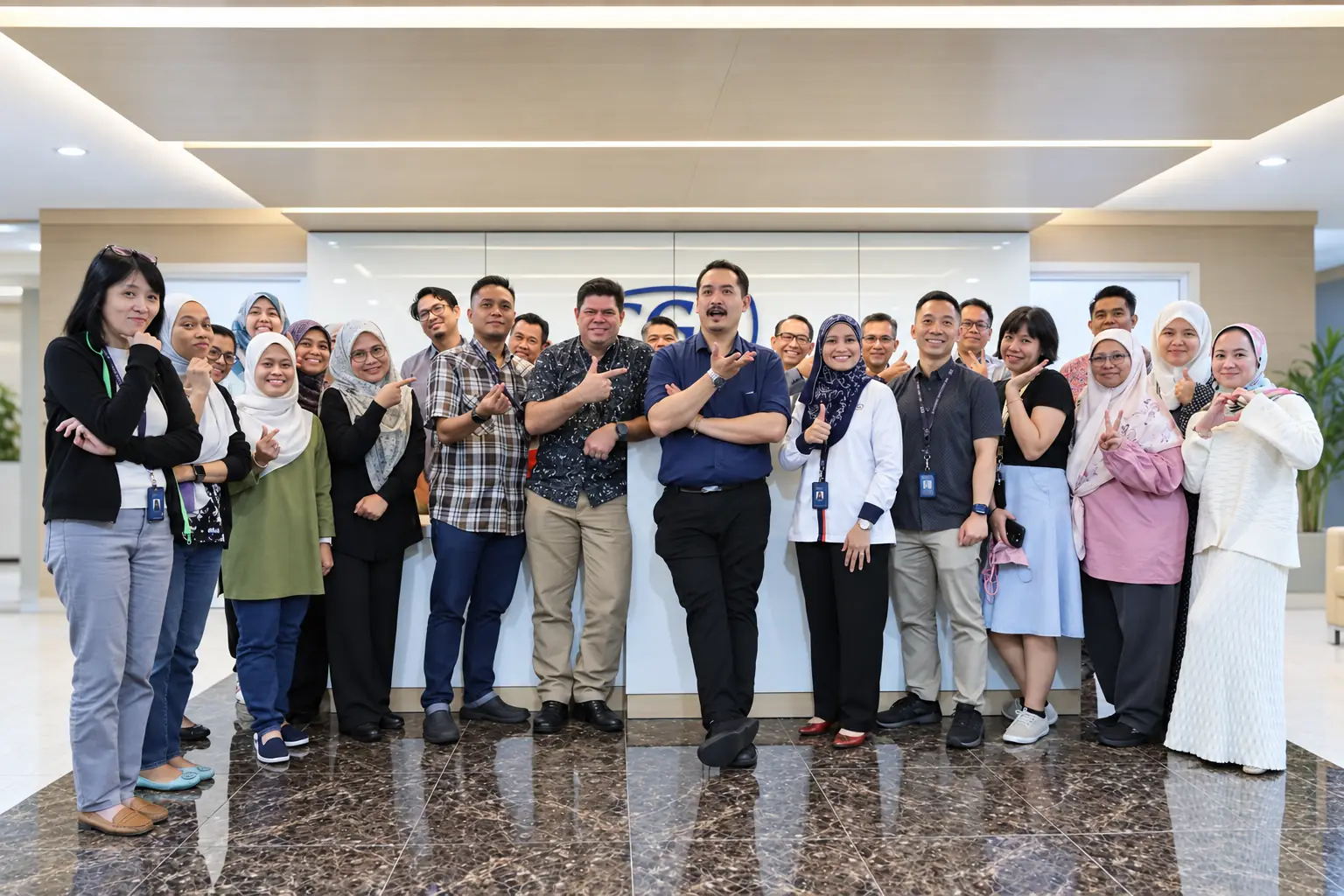
Credit Guarantee Corporation Malaysia (CGC)
Building a Dependable Middle-Management Bench
A nine-month journey through Lead Self, Lead Team and Lead Business for 20 middle managers, each accountable for a live improvement project.
The engagement at a glance
20 middle managers worked through Lead Self, Lead Team and Lead Business and delivered 26 cross-functional improvement projects back into the business, because CGC's strategy was clear at the top and the standard of management below it depended on who you happened to report to.
The trigger
Clear strategy. Uneven managers.
CGC is one of Malaysia's principal development finance institutions. It sits between the country's banks and its small and medium enterprises, guaranteeing financing for businesses that would otherwise struggle to access it. Delivering that mandate depends less on any single leader at the top than on a wide layer of middle managers who turn strategy into daily execution across credit, operations, risk and client-facing functions.
Strategy was clear at the executive level. Manager behaviour was not. Depending on who they reported to, employees experienced very different standards of coaching, collaboration and execution: some managers actively developed their people, others defaulted to task supervision. The organisation had a leadership standard in theory and a lottery in practice.
That inconsistency created three compounding risks. Capable employees stalled under weaker managers. Performance problems surfaced late, because the coaching conversations that would have caught them early were not happening. And CGC had no dependable bench of middle managers ready for larger roles. The shift it needed was from competent supervisors to reliable carriers of coaching, collaboration and business judgement, visible and consistent rather than dependent on personality.
What we delivered
Self, then team, then business.
The journey was built around three progressive lenses: Lead Self, Lead Team and Lead Business. The order is deliberate. Managers built self-awareness before being asked to develop others, and learned to develop others before being asked to drive business outcomes. A manager who has not examined their own habits tends to coach people into copies of them.
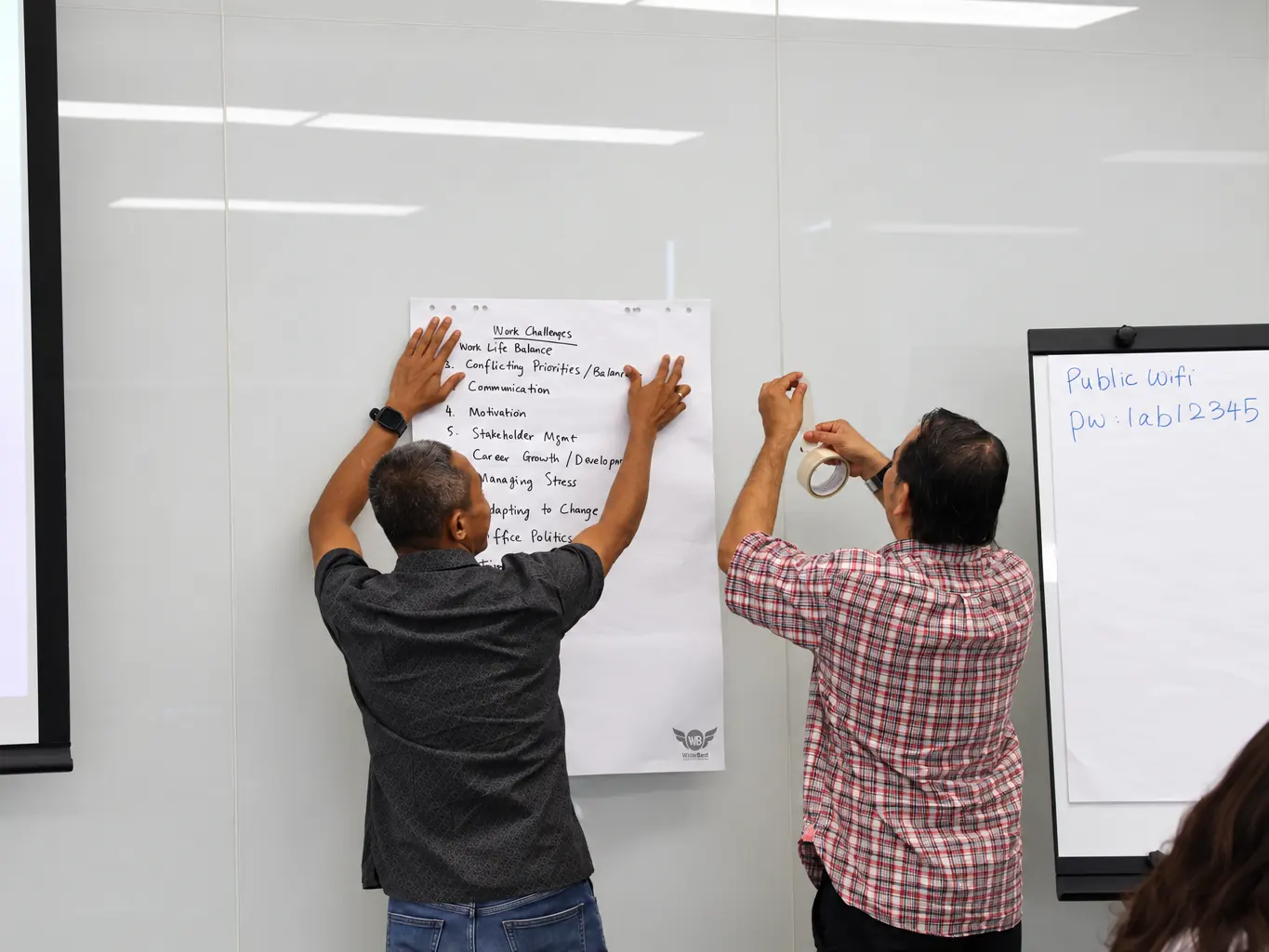
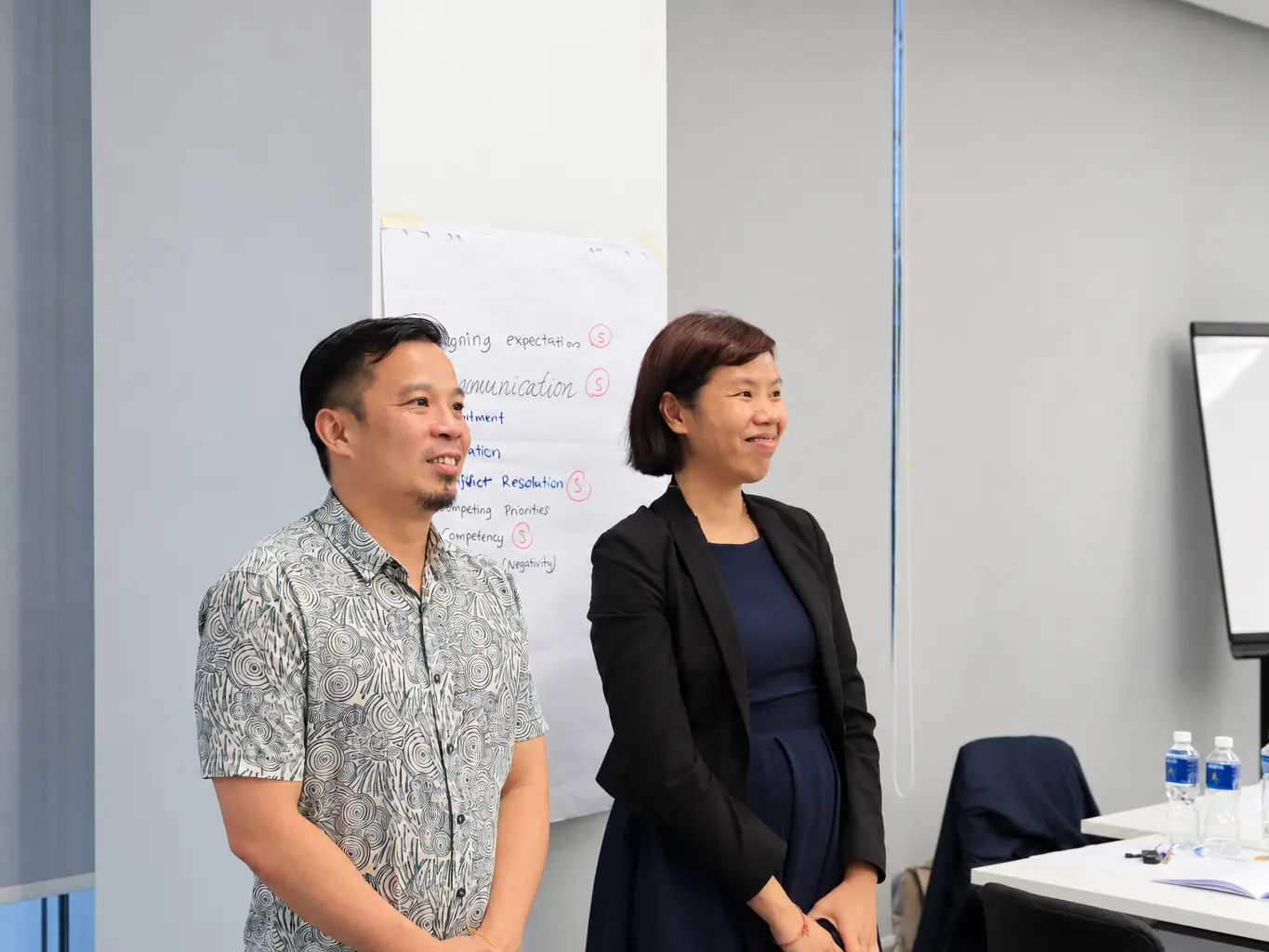
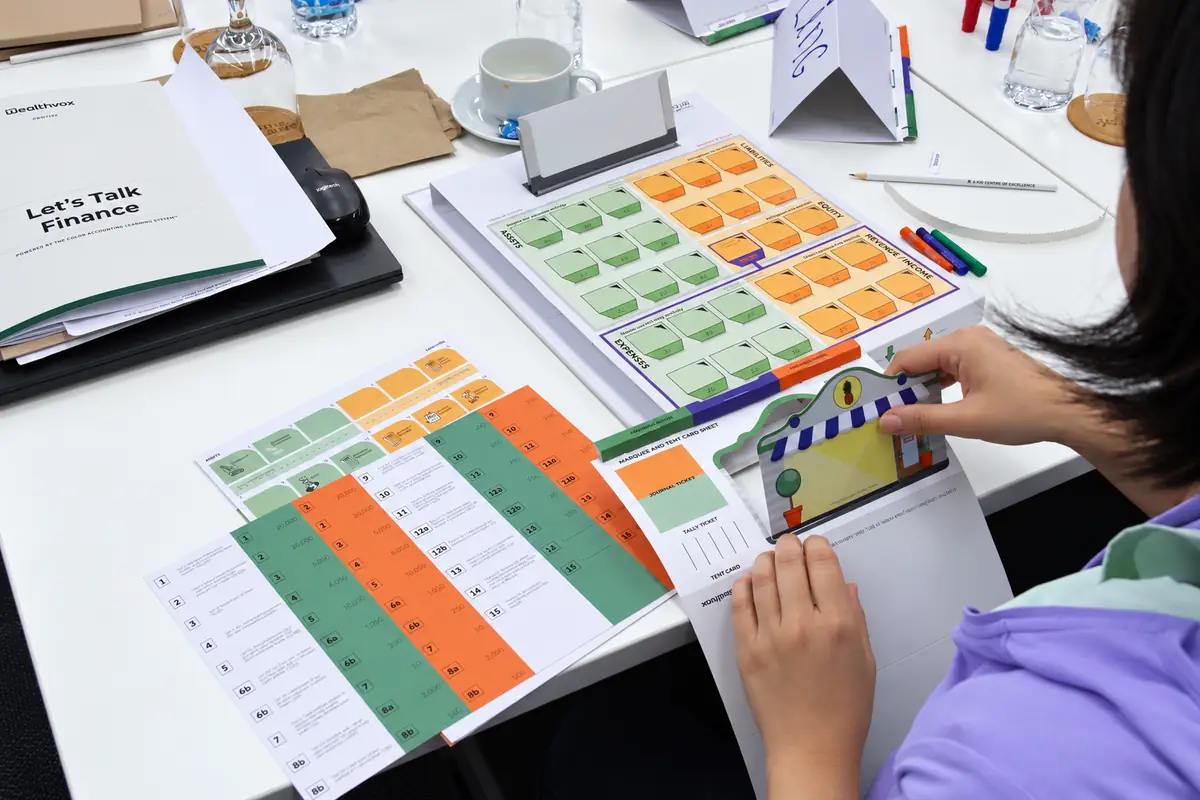
It was not a single workshop. Over nine months, facilitated workshops were combined with one-to-one and peer coaching, business simulations, learning podcasts and action-learning projects that put real cross-functional problems in front of participants. The design deliberately created repeated, spaced opportunities to practise coaching and collaboration in the flow of work, not only in a training room.
The action-learning projects are what made the programme accountable. Each of the 20 managers was accountable for a live improvement project delivered back into the business, 26 cross-functional projects in all. That changes the question a programme can answer. Not 'did they enjoy it', but 'what did they fix'.
Measured impact
What changed, and by how much
The figures are client-supplied and reported as given. The share of managers conducting regular coaching moved from 31% to 84%, the core habit the mandate asked for. CGC also reports 171% more structured coaching conversations and 41% fewer formal performance improvement plan cases: the late-surfacing problems from the trigger, now being caught earlier.
The succession measure moved too. Managers ready for larger roles went from 38% to 75%, which is the bench CGC did not have at the start. Leadership confidence moved from 64% to 87% and cross-functional collaboration from 61% to 83%. No independent coverage is cited for this engagement, so every figure here is client-supplied.
The coaching figure matters most because the others depend on it. Readiness for larger roles, earlier handling of performance problems and better collaboration all run through a manager who is having regular, structured conversations with their team. Fix that habit and the rest has somewhere to come from.
“Our strategy was clear, but the quality of management varied depending on who people reported to. The programme helped us build greater consistency in how our managers lead and develop their teams. Coaching is now an everyday habit, and we have a stronger pipeline of talent ready to take on bigger roles.”
The room in action
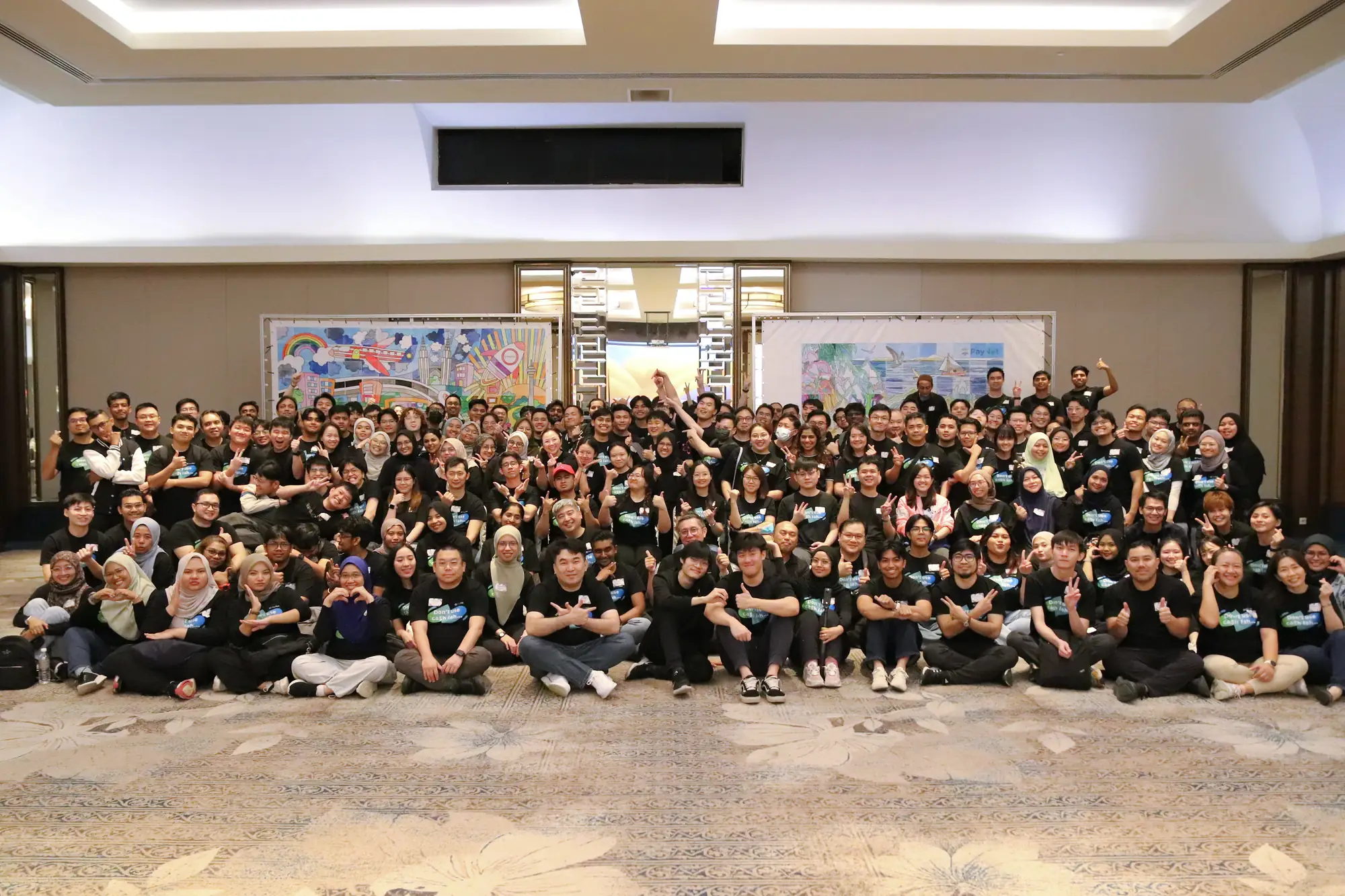
The programme in pictures
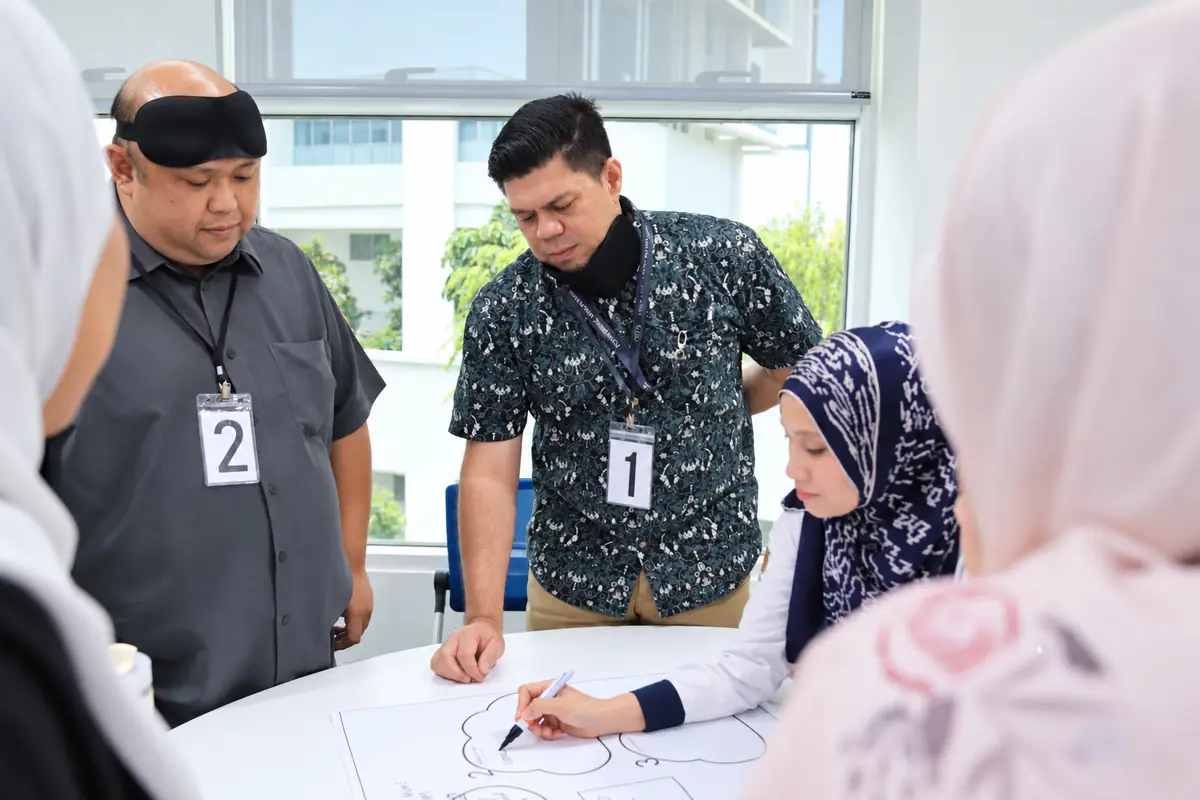
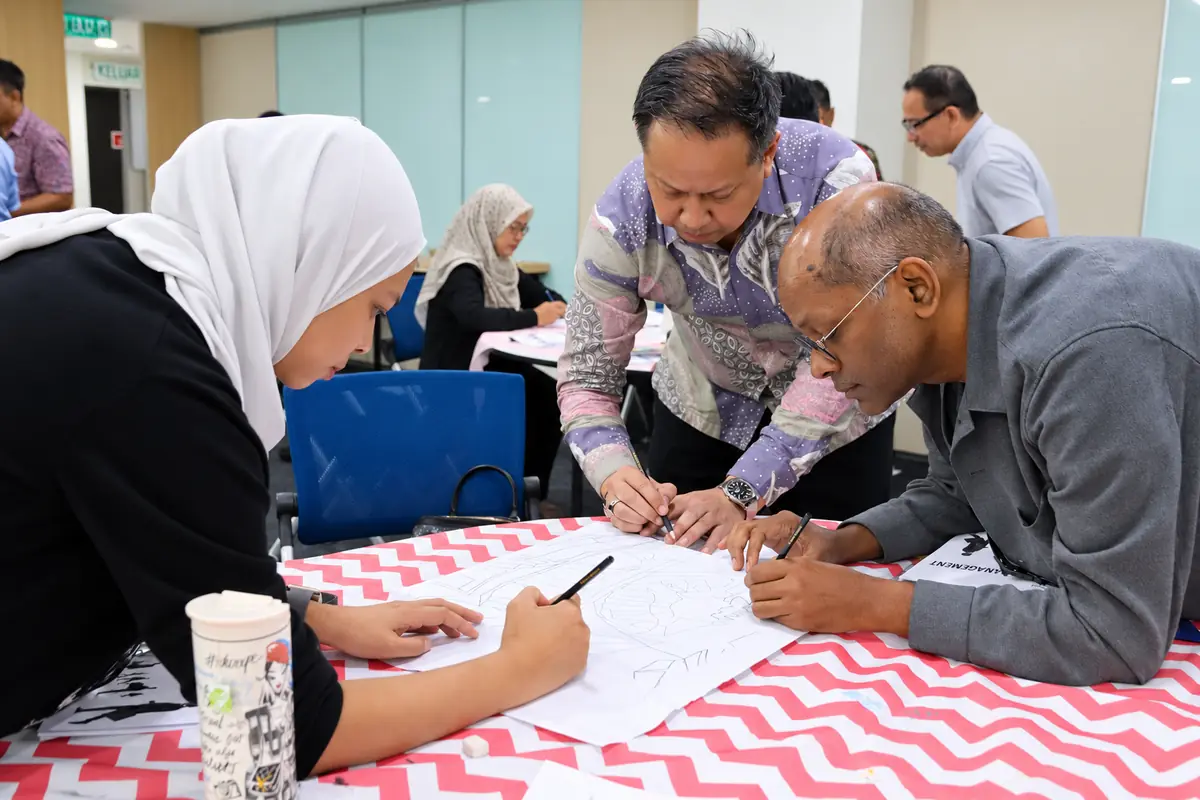
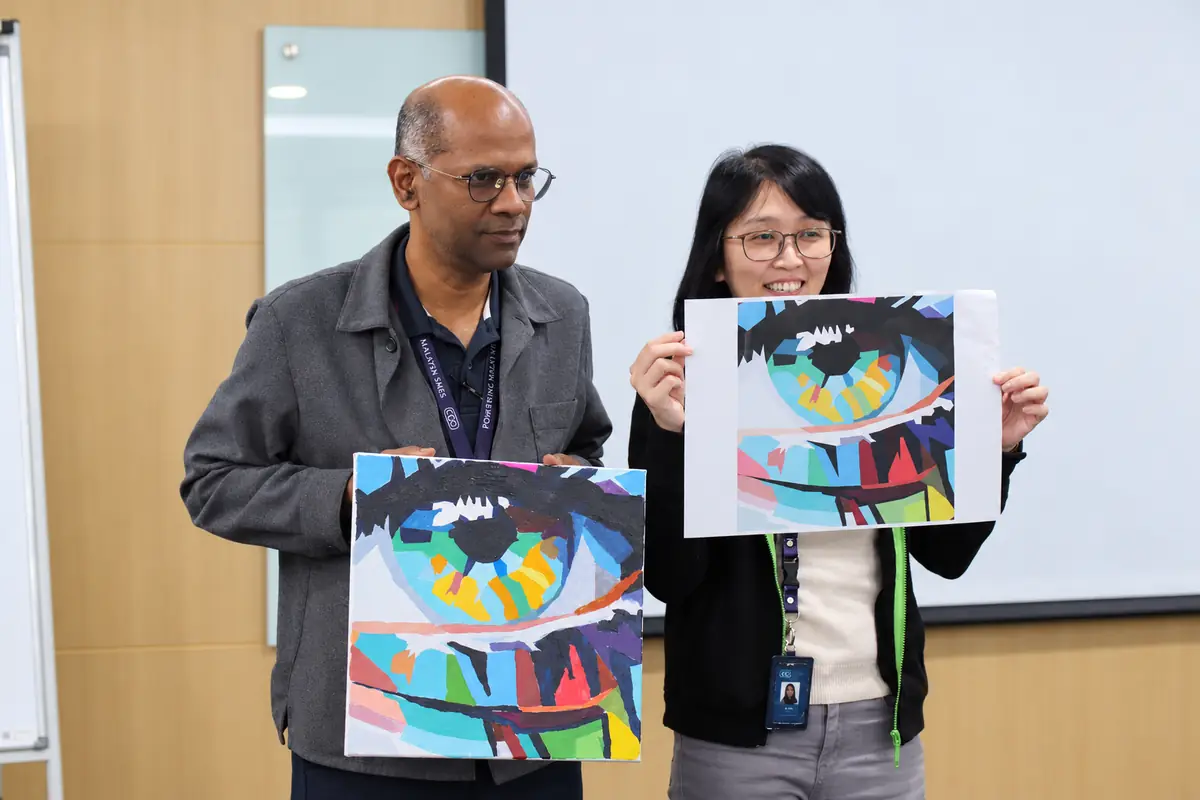
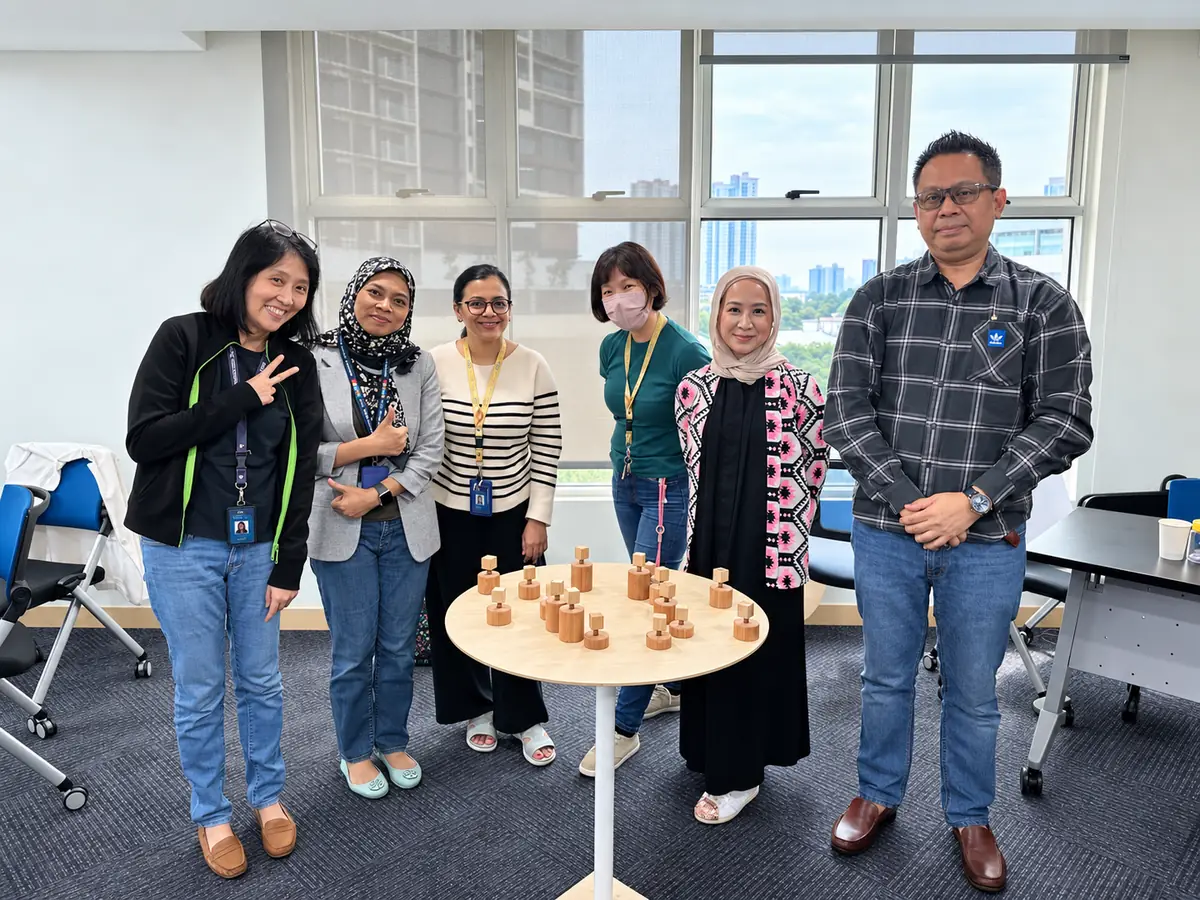
Not a sales pitch. A diagnostic conversation.
Tell us what's not sticking.
Tell us where the rollout is losing momentum, where the behaviour keeps slipping back, or where the last programme fell short. We will tell you honestly whether we can help, and how.
Tell us what's not stickingWe respond within one business day.