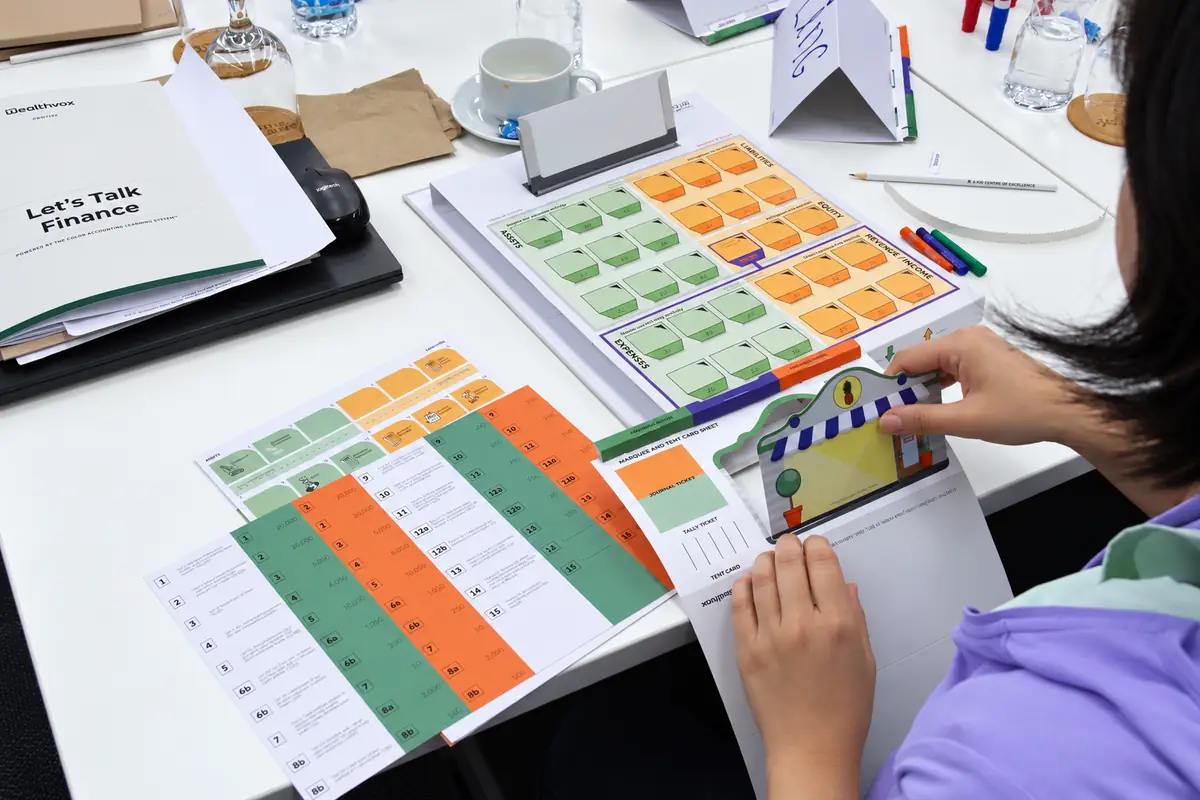
Behaviour change, not content delivery
We define what people must do differently, build opportunities to practise it, reinforce it at work, and measure whether the shift held.
Our Approach
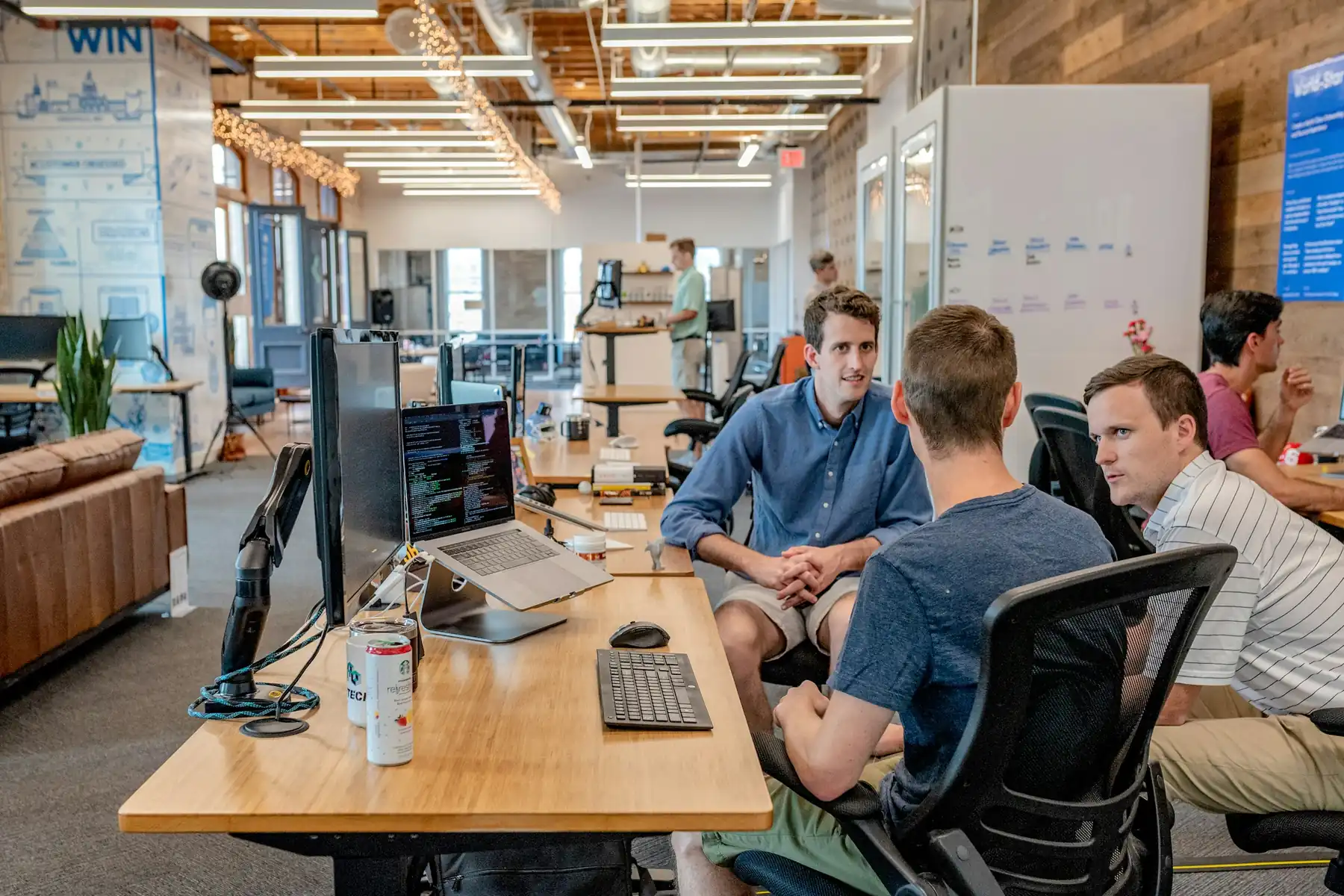
The workshop is one moment in a longer journey. We diagnose the real gap, turn it into observable behaviour, create the conditions to practise, then reinforce and measure what happens back at work.
Tell us what's not stickingBehaviour change training
Behaviour change training is training designed and judged by one result: whether people do something differently at work afterwards. It defines the target behaviour before any session, builds in practice and reinforcement, and measures whether the change held. Most corporate training in Malaysia is judged on the day instead, by a full room and a high feedback score, which is why so much of it changes nothing.
The difference matters because knowing is not doing. The world is shaped by people who did more, not people who knew more. Your managers can usually describe good leadership, good service or good teamwork already. What they need is the practice, support and repetition that turns knowing into doing, and doing into habit.
The Learning Edge Way
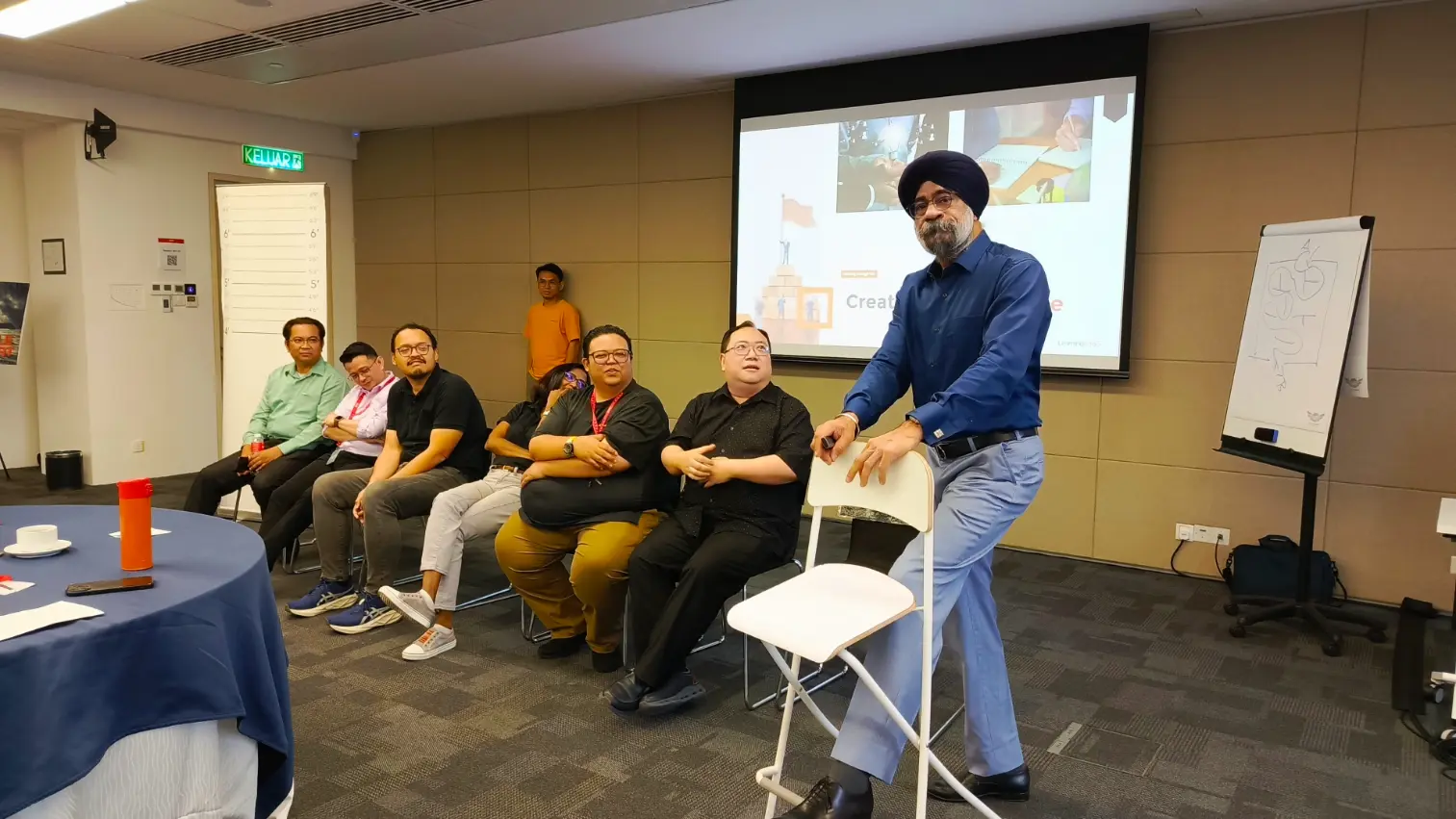
Values become behaviours. Behaviours become habits. Habits become culture. Every part of the journey must help people cross the distance between knowing and doing.
We define what people must do differently, build opportunities to practise it, reinforce it at work, and measure whether the shift held.
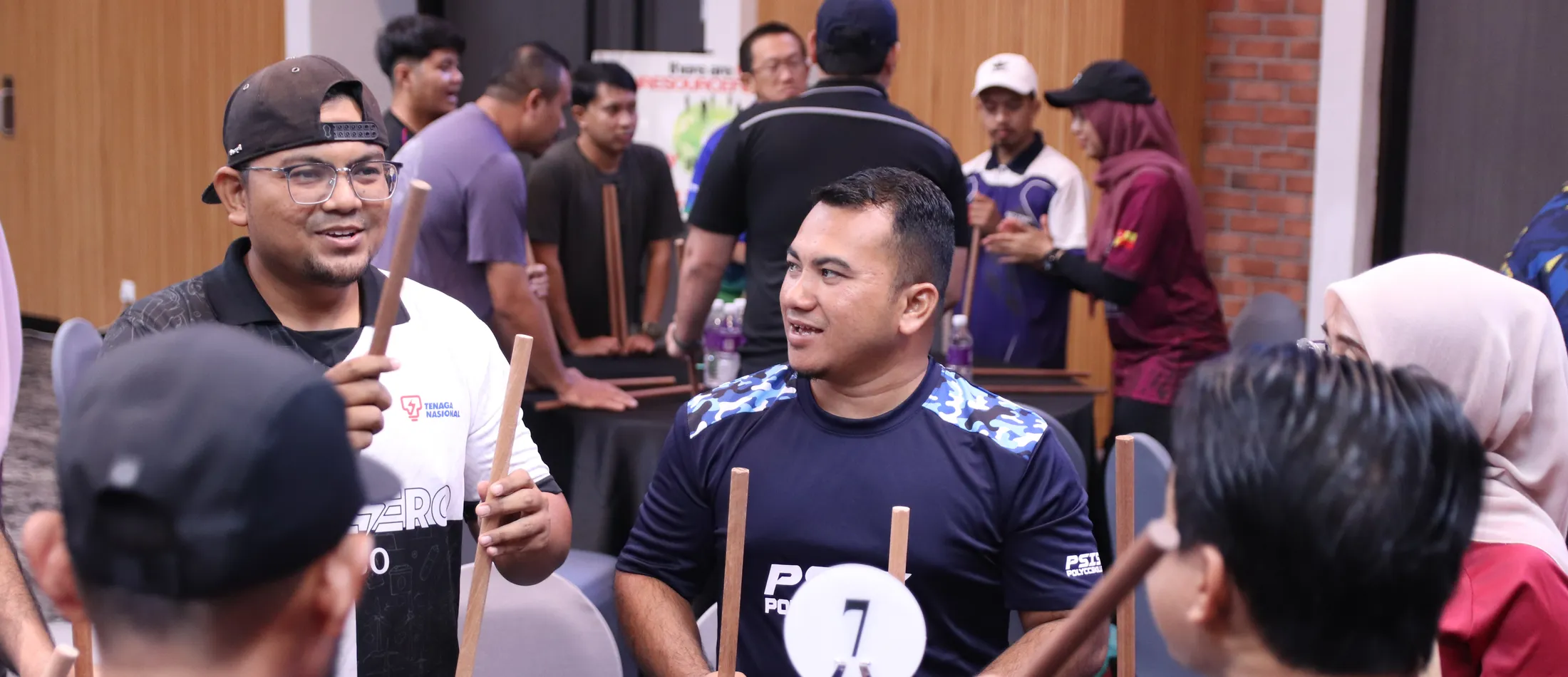
Engagement is a mechanism, not the outcome. Games, stories, and experiences lower resistance and make difficult lessons memorable enough to use.
We diagnose the organisation, audience, trigger, and behaviour gap before designing the journey. No recycled deck with a new logo.
We combine human facilitation with blended delivery, AI-integrated tools, and the capability that outlasts every platform: learning how to learn again.
The full engagement
A day rate buys a room and a trainer for the day. Here's what a Learning Edge engagement includes that a generic quote does not.
A day-rate quote
A Learning Edge engagement
Straight answers
The comparison above, in the questions HR and L&D leaders actually ask before they commit.
Behaviour change training is training designed and judged by one result: whether people do something differently at work afterwards. Instead of delivering content and hoping it transfers, it defines the target behaviour first, builds in practice and reinforcement, and measures whether the change held. That is how every Learning Edge programme is built.
Because a day rate buys a room and a trainer for the day, and an engagement buys the change. A Learning Edge engagement includes discovery with your leaders before anything is scheduled, a programme built for your organisation, reinforcement and measurement after the sessions, and materials participants keep and use at work. Comparing the two on day rate alone compares different things.
We diagnose the real issue first. That means discovery with your leaders, conversations with the user department where the behaviour needs to change, and surveys or assessments where they help. The programme is designed around what that diagnosis finds, not around a catalogue course.
Built for you. We diagnose the organisation, the audience, the trigger and the behaviour gap before designing the journey, so you are not paying for a recycled slide deck with a new logo on it.
The sessions are one moment in a longer journey. Reinforcement and measurement are built in: follow-through and coaching back at work, and a second measurement against the baseline, so you can see whether the behaviour actually changed.
Physical toolkits, workbooks and scenario materials that participants keep and use afterwards, so the practice continues at the desk rather than ending at the door of the training room.
Most of our work runs as a learning journey of six to twelve months rather than a single event, because a habit built over years does not change in a two-day workshop. Shorter programmes are possible where the gap is narrow, and the length always follows the behaviour you are trying to change.
We measure at four levels: how participants reacted, what they learned, whether their behaviour changed at work, and what that change did for the organisation. The behaviour and organisational levels are the ones that matter, and they need a baseline taken before the programme starts.
The learning journey
Five stages, in order. Skipping any one of them is the usual reason training does not stick.
Discovery with your leaders, conversations with the user department, and surveys or assessments, so the programme starts from the real gap rather than an assumption about it.
A journey built around your organisation and audience, with the target behaviours agreed in terms your business would notice before any session is scheduled.
Senior trainers, a crafted learning environment and a mix of formats: workshops, coaching, group work, projects, podcasts and short talks, chosen for the behaviour rather than habit.
Follow-through back at work until the new behaviour repeats on its own. Values become behaviours, behaviours become habits, and habits become culture.
A before-and-after read on reaction, knowledge, behaviour and organisational impact, so you have evidence to take to your board.
The same journey runs underneath every programme, from leadership development to culture transformation. At Credit Guarantee Corporation Malaysia, for example, a nine-month leadership journey moved the share of managers coaching their teams regularly from 31% to 84%, in the client's own figures. Read the CGC case study.
Delivery methods
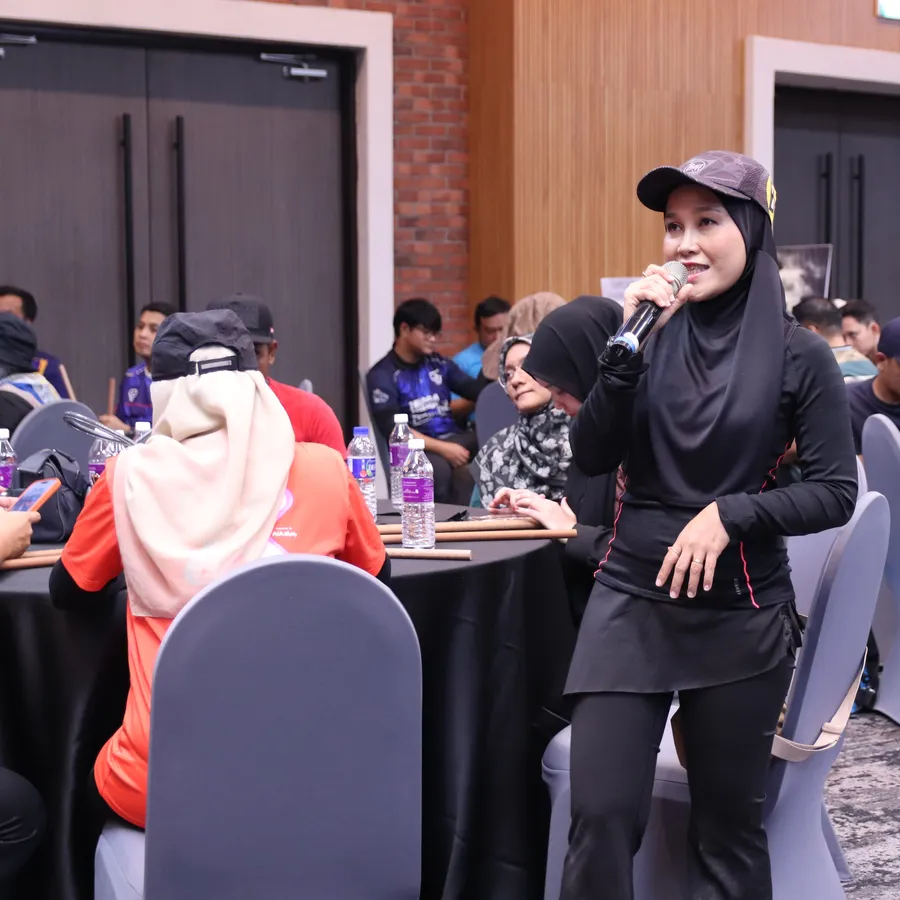
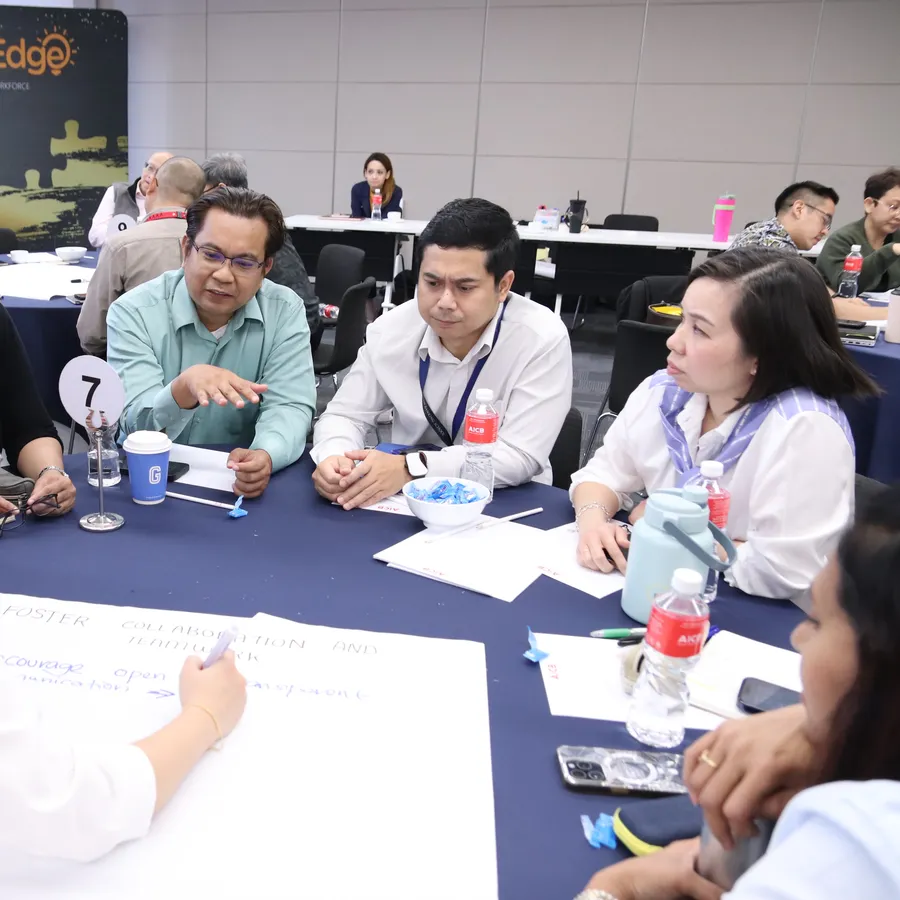
The delivery mix follows the behaviour objective and the reality of the workforce, not a preferred format.

Start with the real issue
We will help you identify whether the issue is capability, leadership, reinforcement, or the system around the behaviour.
The same approach runs underneath every programme we deliver: leadership development, culture transformation, team effectiveness, professional development, ESG training, Protege skills, and assessments. What changes is the behaviour we are designing for, not the method. You can see what that has produced in our case studies.
Start a diagnostic conversationWe respond within one business day.