
We define the behaviours first
Before any session, we agree what your leaders should be doing differently, in concrete terms your business would notice.
Leadership Programme Malaysia
Most leadership training fills a room, scores well on the feedback form, and changes very little once people are back at their desks. We build leadership programmes in Malaysia that change how leaders actually behave, not just what they can recite.
Tell us about your leadership challengeThe real gap
Your managers have sat through the models. They can name the styles, quote the frameworks, and tell you exactly what a good leader does. Then Monday arrives, the pressure returns, and they lead the way they always have.
Knowing more about leadership does not make someone lead better. The world is shaped by people who did more, not people who knew more.
A leadership programme is only worth the investment if a manager runs their team differently because of it. That is the only result we design for, and it is also how leadership work becomes culture change rather than a training line item, because the behaviour your managers repeat is the culture everyone below them reads. All of these programmes are HRD Corp claimable.
Designed transfer
We do not run a course and hope it transfers. We design the transfer into the programme itself, starting from a measured baseline rather than an assumption about where the gaps are.
Before any session, we agree what your leaders should be doing differently, in concrete terms your business would notice.
Leaders rehearse the hard conversations, delegation, and feedback before they have to do it for real.
Follow-through, manager support, and check-ins are built into the journey, not added as an afterthought.
We baseline leadership behaviour at the start and reassess at the end.
Programme structure
A leadership programme that changes behaviour is a journey over months, not a two-day workshop. This is the sequence we design around, adjusted to your organisation and the level of leader you are developing. Each stage exists because skipping it is one of the reasons leadership training does not stick.
We agree with your sponsors what leaders should be doing differently, then measure where they are now with a leadership assessment, so the programme starts from evidence rather than an assumption about the gap.
Leaders examine their own habits first: how they show up under pressure, what they default to, and what their team actually experiences. A manager who has not examined their own habits tends to coach people into copies of them.
Leaders practise the conversations that decide whether a team performs: coaching, feedback, delegation, and the difficult conversation they have been putting off. They rehearse in a safe room before they do it for real.
Leaders apply what they have built to a live problem. Action-learning projects put real cross-functional challenges in front of participants, so the programme answers a harder question than whether they enjoyed it: what did they fix.
Between sessions, one-to-one and peer coaching, business simulations, and podcasts keep the new behaviour in front of leaders while they work. The leader above each participant is part of the design, because behaviour the boss does not reinforce rarely lasts a month.
We repeat the baseline measures at the end, so you can see what moved and by how much, and take that evidence to your board.
Leadership levels
For the leaders shaping direction, culture, hard calls, and organisational alignment. At this level the behaviour that matters most is visible: the rest of the organisation reads the culture from what senior leaders do, not what they say. Programmes focus on alignment across the top team, decision-making under pressure, and modelling the behaviours the organisation is asking everyone else to adopt.
The layer where most culture and capability is won or lost. Managers translate strategy into daily routines, and the experience of everyone below them depends on how consistently they do it. Programmes focus on coaching as a routine habit, giving feedback that changes performance, and catching problems early rather than at the annual review.
Judgement, self-awareness, and habits that turn strong performers into leaders people choose to follow. The shift here is from being good at the work to getting good work from others. Programmes focus on self-awareness, influence without authority, and the first difficult conversations of leading former peers.
Measuring the shift
A feedback form tells you whether people enjoyed the day. It does not tell you whether anyone leads differently. We measure leadership behaviour before the programme starts and again at the end, using leadership assessments such as 360-degree feedback, so the result is evidence of a shift rather than a satisfaction score.
The measures are agreed with you at the start, in terms your business already cares about. At Credit Guarantee Corporation Malaysia, for example, they included the share of managers coaching their teams regularly, the share of managers ready for larger roles, leadership confidence, and cross-functional collaboration, alongside business signals such as formal performance improvement plan cases.
The action-learning projects give a second line of evidence: real problems that leaders solved back in the business during the programme. Between the before-and-after measures and the projects, you can show your board what changed, not just what was delivered.
In practice
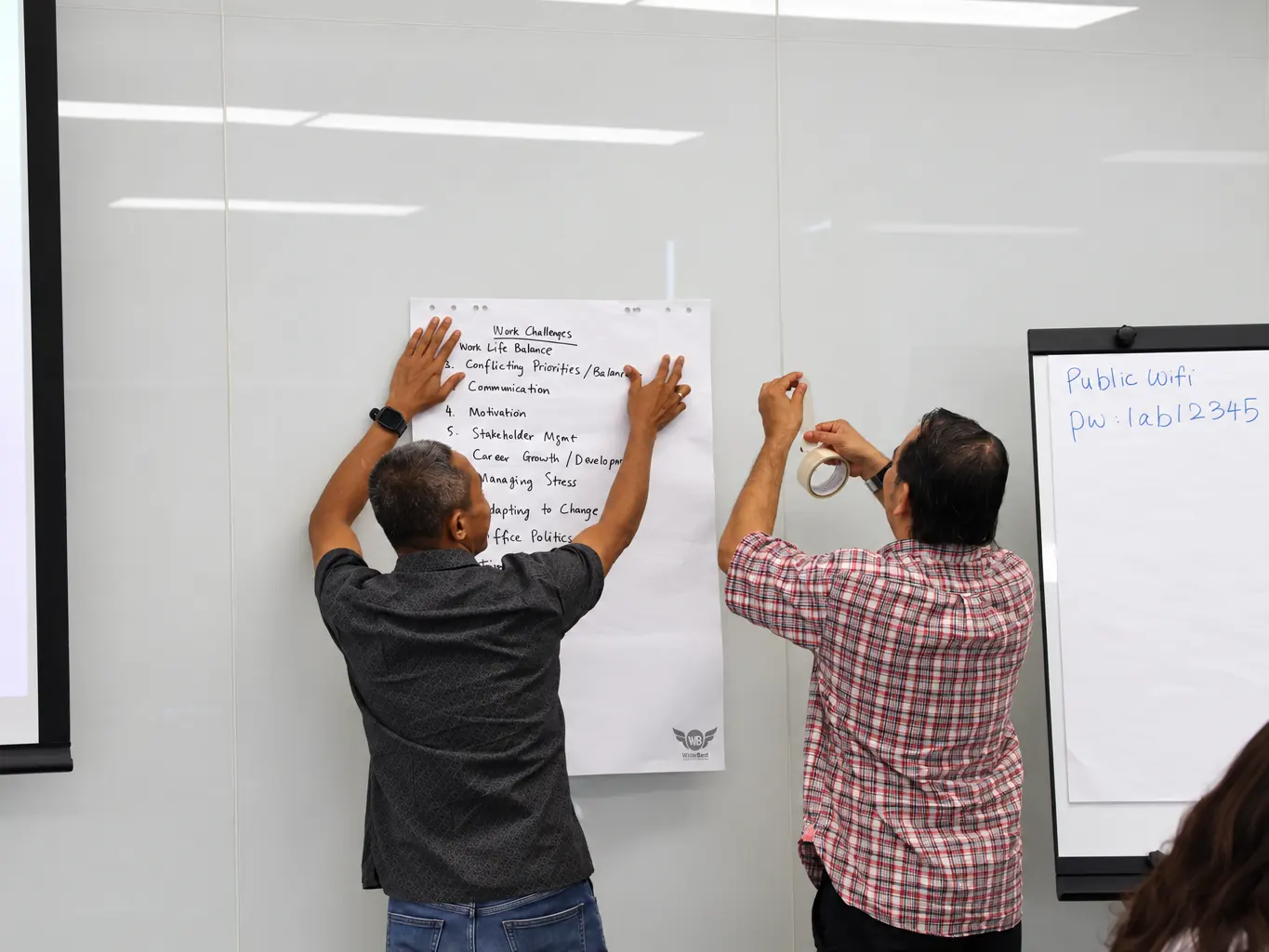
Credit Guarantee Corporation Malaysia had a clear strategy at the top and uneven management below it. Depending on who people reported to, they experienced very different standards of coaching, collaboration, and execution, and there was no dependable bench of middle managers ready for larger roles.
Twenty middle managers worked through a nine-month journey built on Lead Self, Lead Team, and Lead Business, combining workshops, one-to-one and peer coaching, business simulations, learning podcasts, and action-learning projects. Each manager was accountable for a live improvement project, 26 cross-functional projects in all.
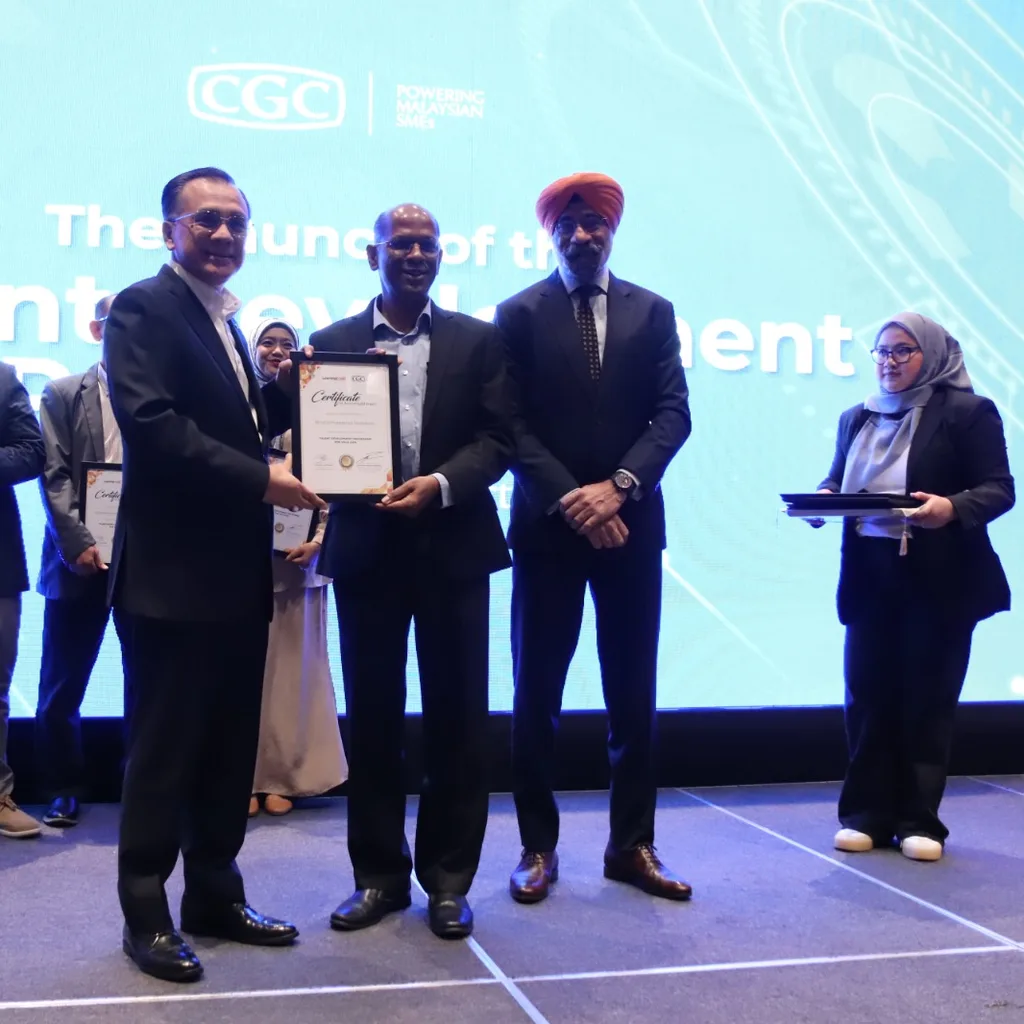
In CGC's own figures, the share of managers conducting regular coaching moved from 31% to 84%, and managers ready for larger roles from 38% to 75%. CGC also reports 171% more structured coaching conversations and 41% fewer formal performance improvement plan cases. Read the full CGC leadership development case study, or see why most programmes fail to produce results like these in why leadership training does not stick.
Failure patterns
Leaders leave able to describe good leadership, with no change to how they lead.
When the boss above does not reinforce the new behaviour, it dies within a month.
A single workshop cannot rewire a habit built over years.
The content may be fine, but the relevance is not.
A high feedback score says nothing about whether anyone leads differently.
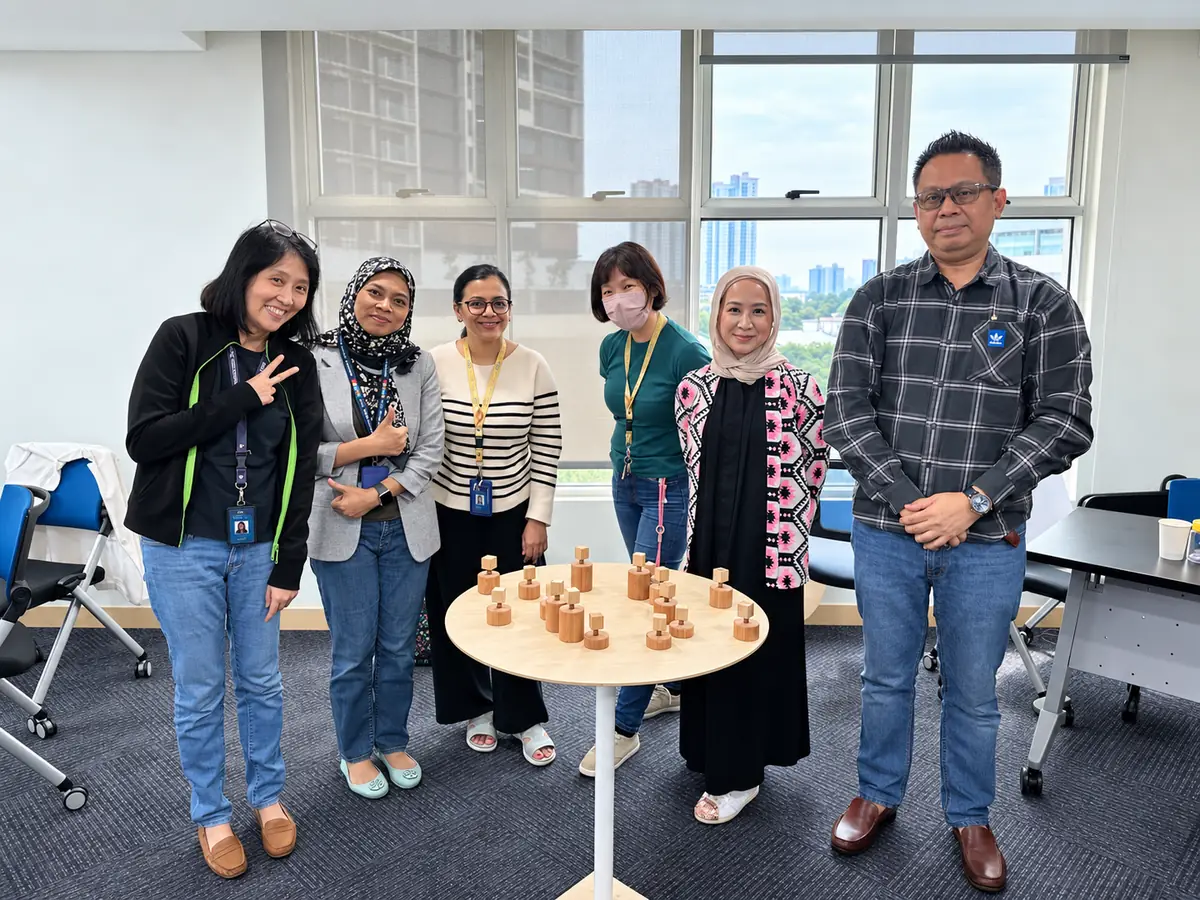
Only sourced, client-approved evidence appears as completed proof.
Credit Guarantee Corporation (CGC)
Managers conducting regular coaching: 31% to 84%
A nine-month journey for 20 middle managers combining workshops, coaching, workplace assignments, simulations, peer learning, podcasts, and action-learning projects.
Read the full case study →“Our strategy was clear, but the quality of management varied depending on who people reported to. The programme helped us build greater consistency in how our managers lead and develop their teams. Coaching is now an everyday habit, and we have a stronger pipeline of talent ready to take on bigger roles.”
Nazral Safril Mohammad Sapari, CHRO, CGC Malaysia
Indah Water Konsortium (IWK)
Managerial readiness index: 41% to 83%
An 18-month SEED (Skill Enhancement for Executive Development) journey for around 70 senior executives across two batches, integrating values alignment, strategic thinking, communication, and stakeholder management.
“The programme helped me understand what is expected at the next level. It was not just about learning new skills, but about becoming more confident in leading others and taking ownership beyond my current role.”
Programme participant, IWK
Questions, answered
Senior leadership shaping direction and culture, middle managers translating strategy into daily routines, and emerging or high-potential leaders building the judgement and habits to lead well.
Most leaders can already describe good leadership. The gap is not knowledge, it is behaviour, so we design for practice and reinforcement, not just content delivery.
We baseline leadership behaviour before the programme starts and reassess at the end, so the result is evidence of a behaviour shift, not just a feedback score.
Yes. Middle managers are the layer where most culture and capability is won or lost, translating strategy into daily routines, so they are one of the three leadership levels the programme is built for, alongside senior leadership and emerging or high-potential leaders.
We design the transfer into the programme itself: agreeing the target behaviours before any session, having leaders practise the hard conversations before they need them for real, and building in reinforcement and manager support rather than treating the workshop as the finish line.
A high feedback score says nothing about whether anyone leads differently afterwards. Programmes also fail when the content is generic, when they are a one-off event, or when the manager above the participant does not reinforce the new behaviour, in which case it usually dies within a month.
Long enough for new behaviour to become habit, which means months rather than days. The length depends on the level and the size of the gap. For example, the leadership journey for 20 middle managers at Credit Guarantee Corporation Malaysia ran over nine months.
Both. Programmes can run face-to-face, as virtual instructor-led training, or as a blended journey that adds executive coaching, e-learning videos, online self-learning, and podcasts. The mix follows the behaviour you are trying to change and the reality of your leaders' schedules.
Yes. All our programmes are HRD Corp claimable. HRD Corp pays up to its rates, and the employer covers any difference.
Not a sales pitch. A diagnostic conversation.
Not a brochure request. A conversation about what your leaders need to do differently, and whether we are the right partner to get them there. We will be honest either way.
Tell us about your leadership challengeWe respond within one business day.