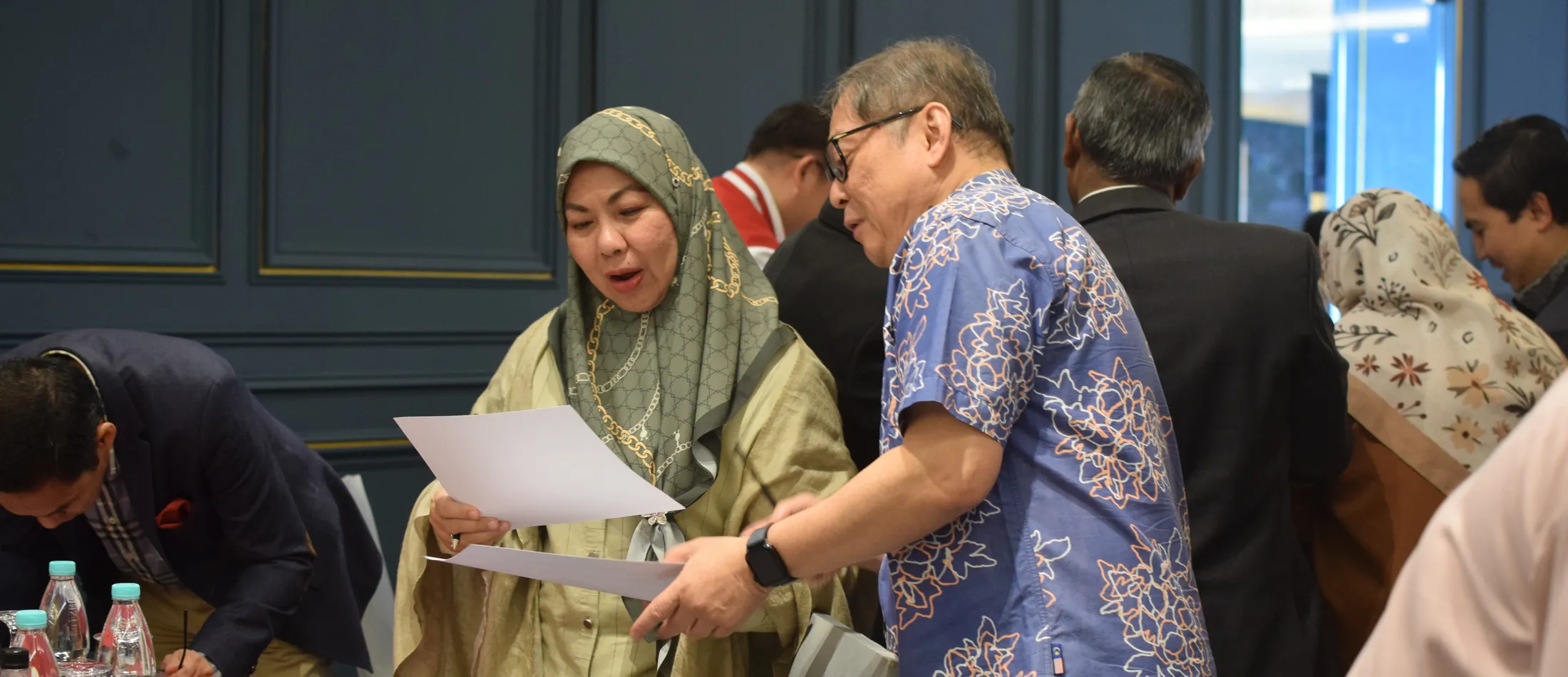
A large cohort of professionals raising their hands during a Learning Edge programme session

Professional Development Malaysia

Skills training that people actually use once they are back at their desk.

Most professional development programmes teach a framework and hope it transfers. We build programmes around the moments your people actually face, so the skill shows up in the next difficult conversation, not just the workshop feedback form.

Tell us what capability your teams need
29+ years1,000+ organisationsProgrammes across 50+ industries

Knowing to doing

Capability that closes the gap between knowing and doing

Every organisation eventually hits the same wall: your people are technically capable, but the human skills around the work are not keeping pace. For graduate and early-career hires that same gap has a different starting point, which is what our Protege skills programme is built for.

Generic soft skills training treats this as a content problem. We treat it as a behaviour problem, solved by practice, feedback, and reinforcement in the flow of real work. Where the gap sits between functions rather than inside individuals, that is team effectiveness work instead, and both are HRD Corp claimable.

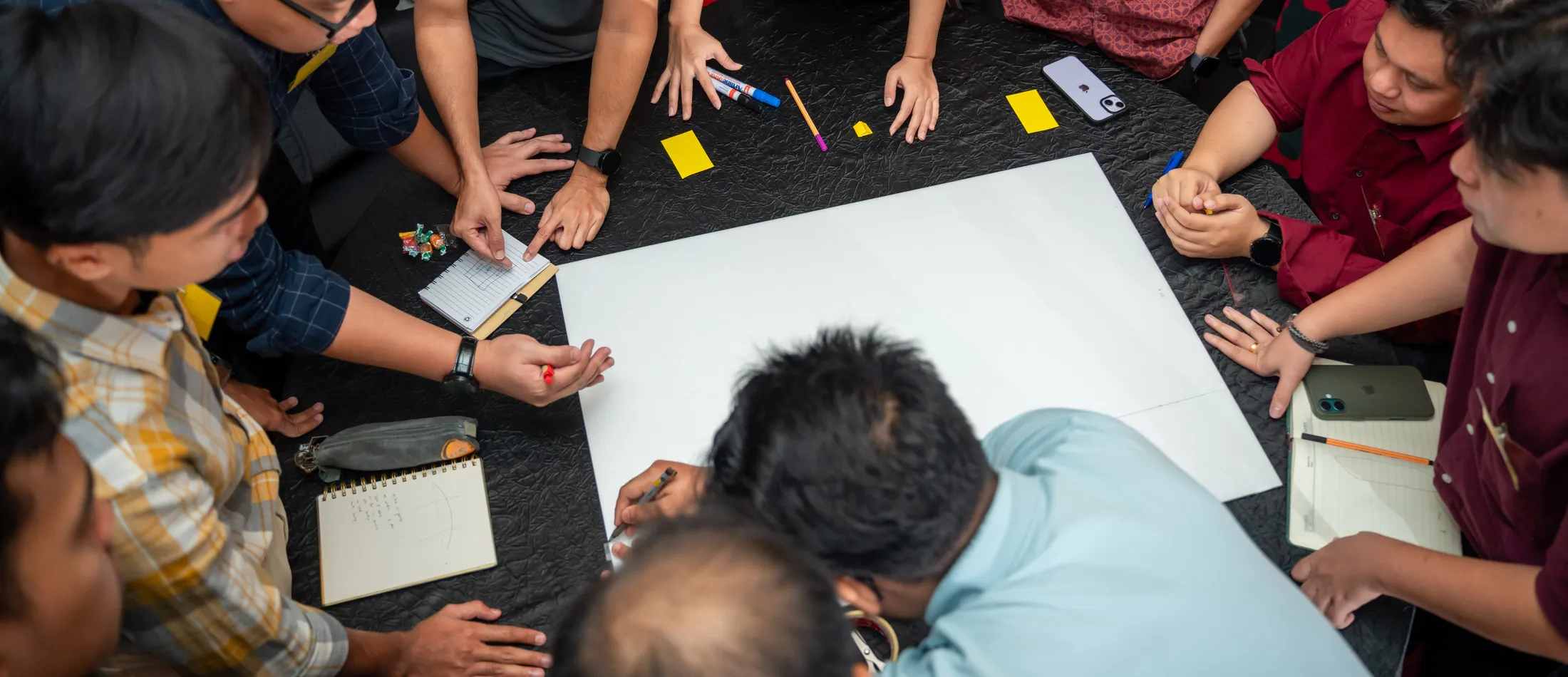
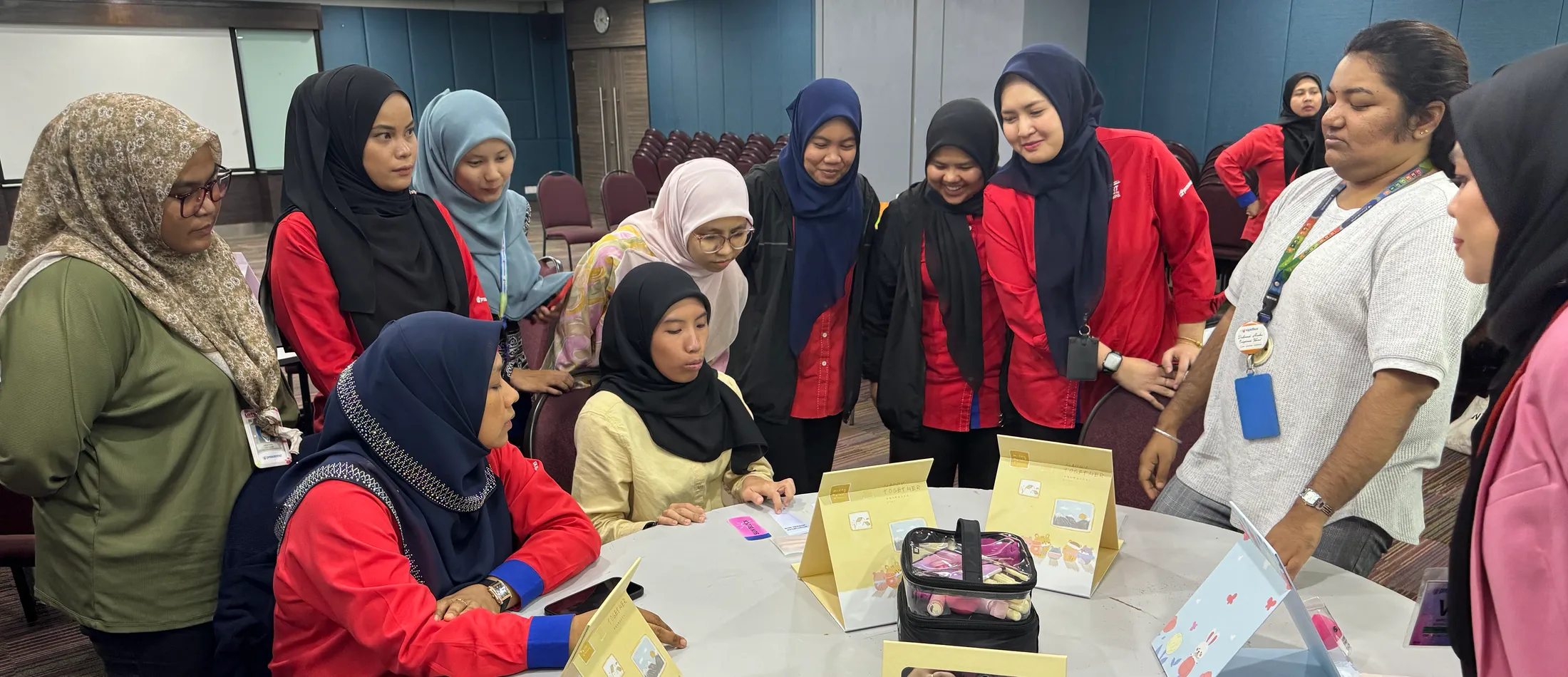
A group of professionals working through a hands-on problem-solving exercise together

Soft skills training Malaysia

What is soft skills training, and why does most of it not stick?

Soft skills training builds the human skills around technical work: communicating clearly, influencing decisions, solving problems with others, managing people, and working across functions without friction. In Malaysia it is one of the most commonly bought forms of corporate training, and one of the least likely to change anything, because most of it is delivered as content and judged by a feedback form.

Soft skills are behaviours, and behaviours change through practice, feedback, and repetition, not through a lecture about why active listening matters. That is why our professional development programmes are built around the conversations and decisions your people actually face, with practice before the real thing and reinforcement after it.

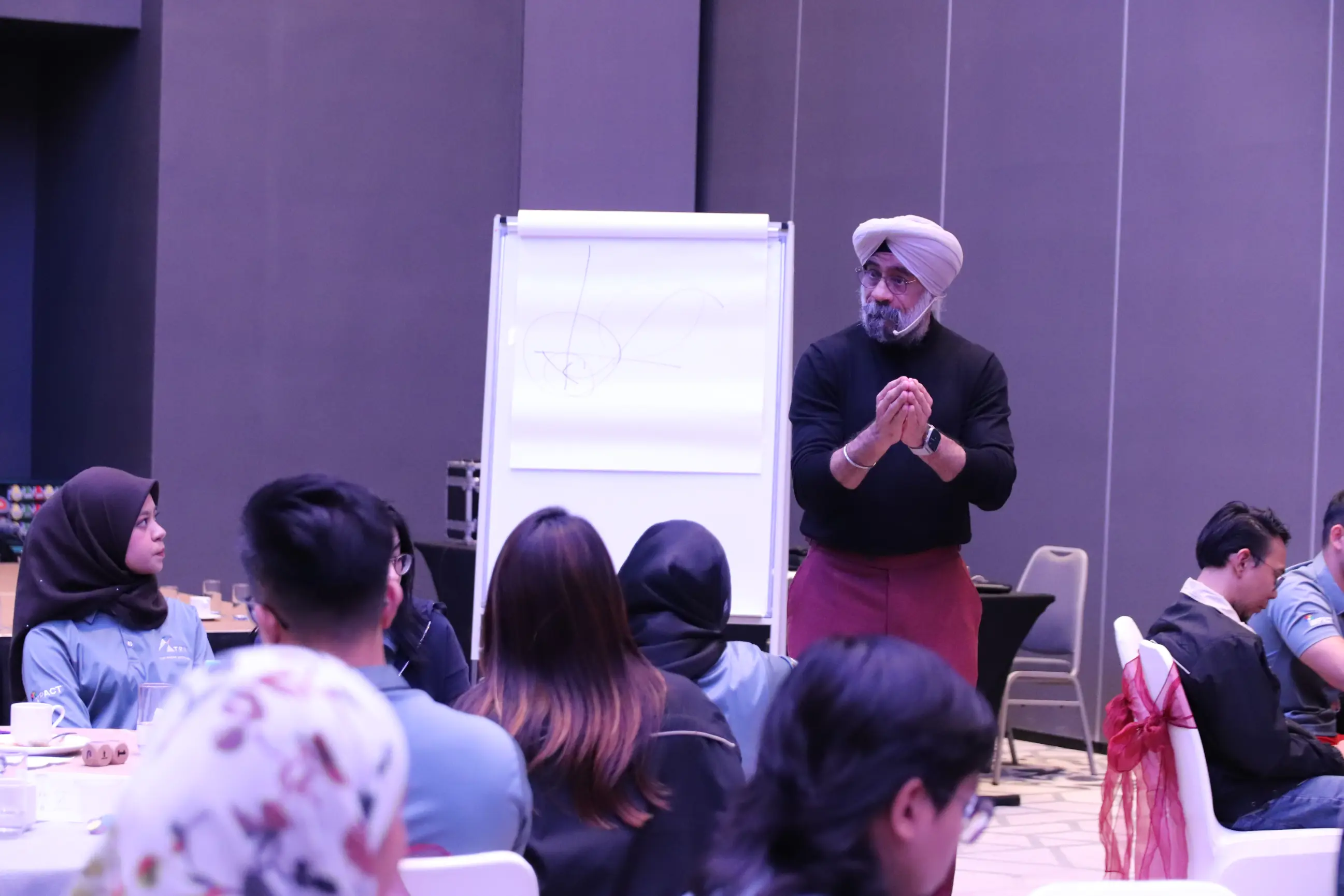
A Learning Edge trainer at a flipchart leading a seated group through an exercise

Programme areas

Skills built around the work

Communication Skills Training

Clear, direct communication under pressure, not just presentation skills for the stage. Participants practise the conversations that usually go wrong: giving bad news, pushing back on a senior stakeholder, and explaining a complex problem simply.

Presentation and influence

The ability to make a case that senior stakeholders actually act on. The focus is structuring an argument around what the decision-maker cares about, not on slide design.

Structured Problem-solving

Structured thinking that holds up when the situation is ambiguous: defining the real problem before jumping to solutions, testing assumptions, and reaching a decision a team can commit to.

First Time Manager Effectiveness

The skills almost never taught before someone needs them: delegating, giving feedback, setting expectations, and leading people who were peers a month ago.

Interpersonal skills

Working across teams, functions, and personalities without friction becoming dysfunction, including the difficult conversations most people avoid until they become a problem.

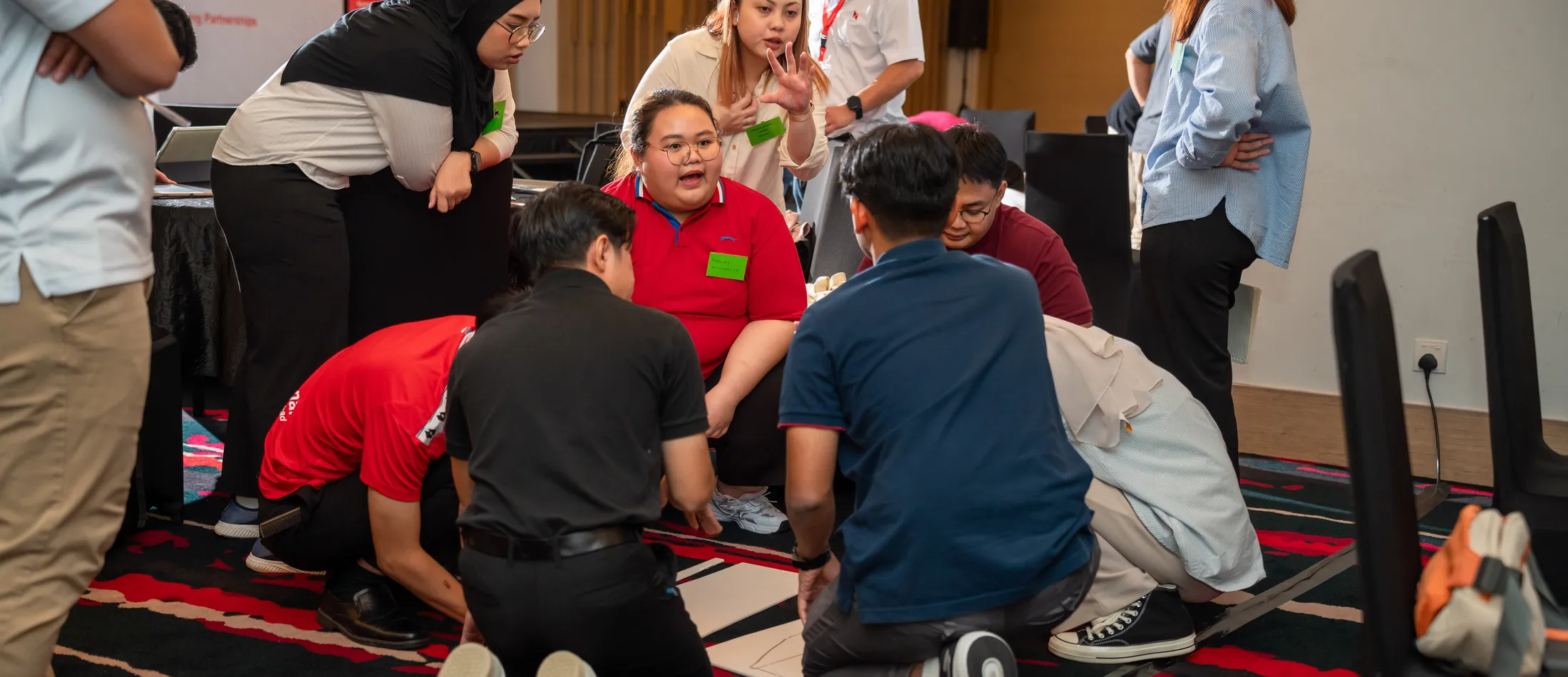
Participants working together on the floor during a hands-on group exercise

How it runs

How a professional development programme runs

The format follows the gap, not a standard course length. A focused skill can be built in a short programme with workplace follow-through. A broader capability shift for a whole level of the organisation runs as a longer journey.

01

Diagnose the real gap

We start from the situations where the skill is failing today, and from assessment where it helps, so the programme targets the moments that matter rather than a generic syllabus.

02

Practise before it counts

Participants rehearse the conversation, the presentation, or the decision in a safe room, with feedback, before they have to do it for real.

03

Explain it back

Teachbacks, where participants explain and apply the learning in front of others, give managers a visible check that the skill has landed, not just a feedback score.

04

Plan the application

Every participant leaves with a workplace action plan tied to their actual role, so the skill has somewhere specific to show up on Monday.

05

Reinforce and check

Follow-through and manager support back at work, then a check on whether the behaviour is showing up, so the programme is judged by what changed.

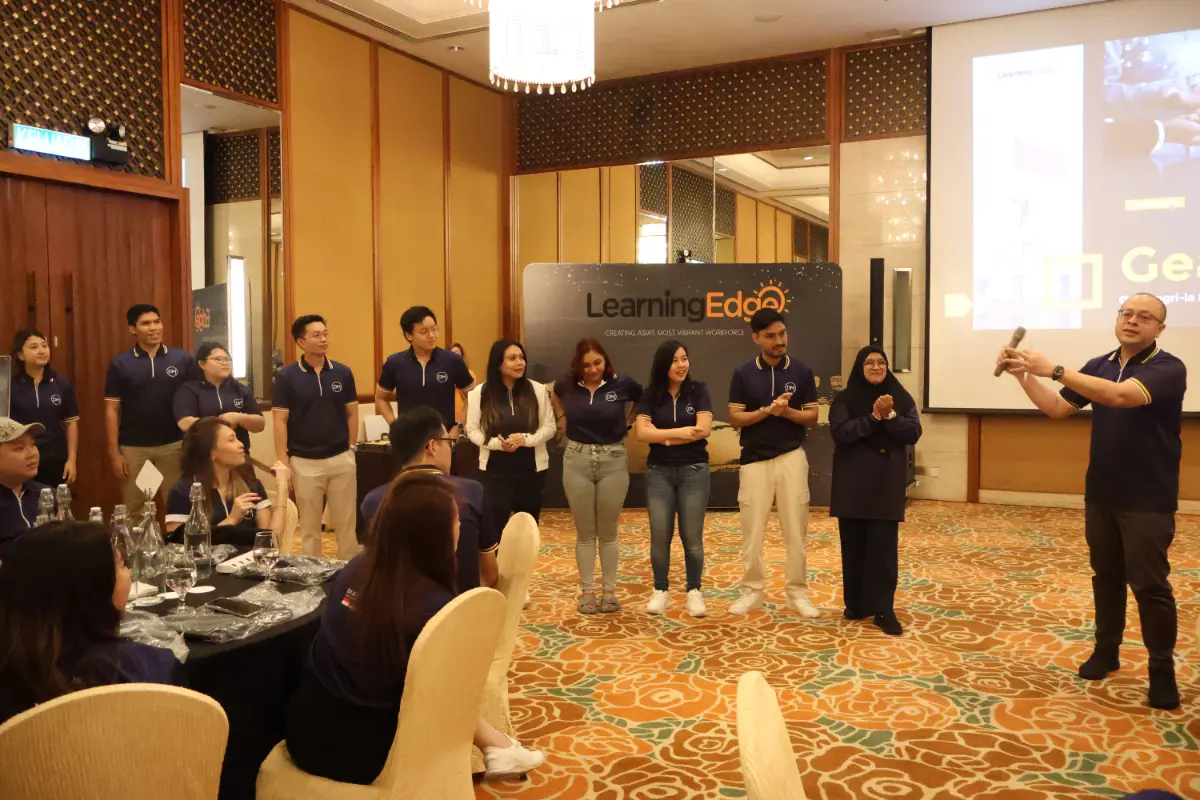
A Learning Edge trainer leading a standing group exercise in a function room

In practice

What this looks like at scale

At Malaysia LNG, five two-day professional development tracks combined trainer input, case discussion, teachbacks, and workplace application planning for operations professionals, and 95% of participants completed their workplace action plans. At Indah Water Konsortium, an 18-month SEED journey for around 70 senior executives across two batches built values alignment, strategic thinking, communication, and stakeholder management, and the managerial readiness index moved from 41% to 83%.

At Prasarana, the same approach reached 6,597 frontline personnel across 74 batches, combining capability building with real-world validation, leadership coaching, and internal trainer development. All figures are client-supplied.

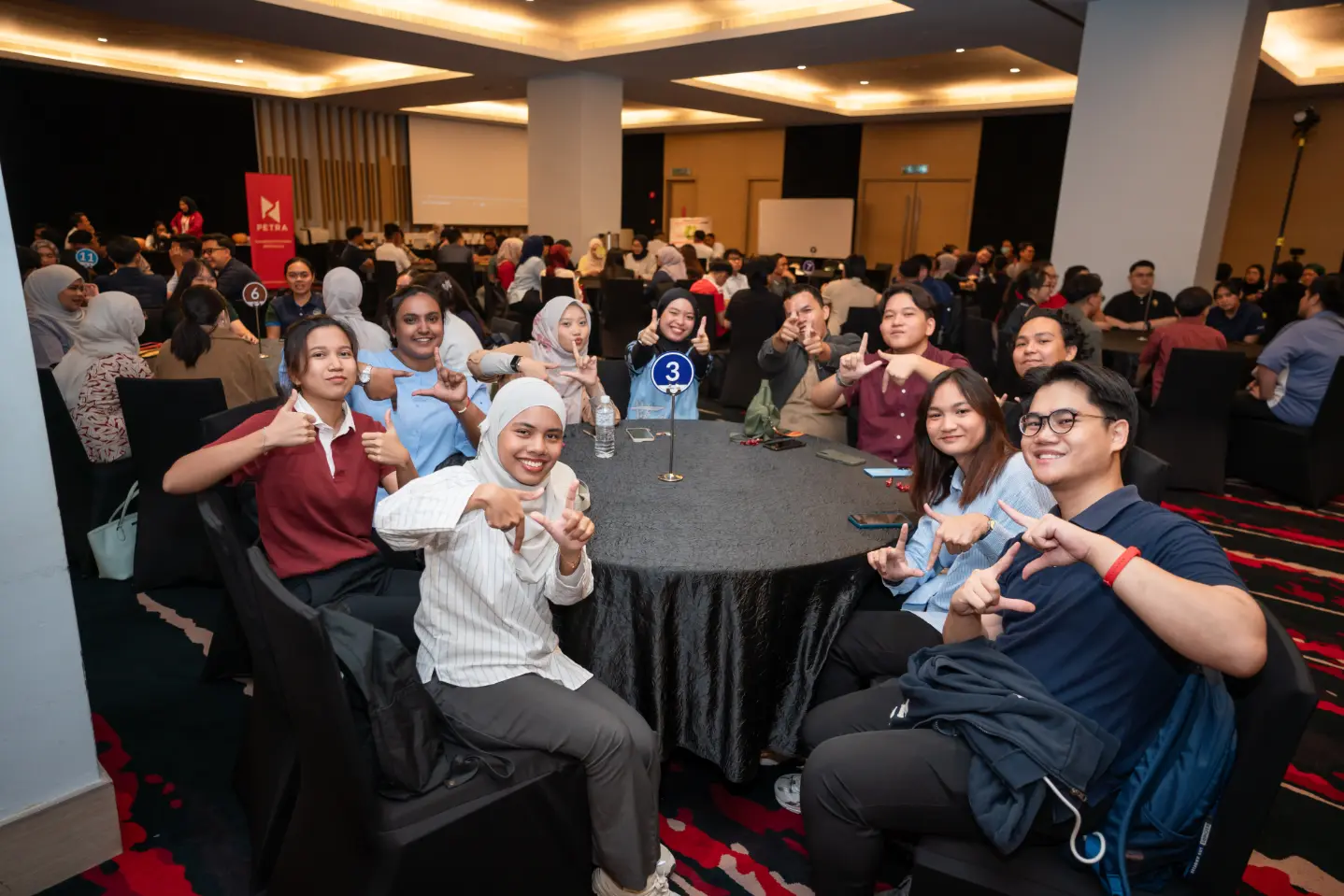
Participants reviewing worksheets together during a programme session

Memorable by design

Engaging by design, because memorable skills get used

Engagement is not decoration. People change behaviour faster when they are involved and enjoying the process, not sitting through slides waiting for the session to end. Our programmes are built to be memorable, because a skill people remember is a skill people use.

Who it is for

Professional development for every level of the organisation

01

Frontline and customer-facing teams

Communication and service behaviour under pressure, where a single interaction shapes what a customer thinks of the whole organisation. The skill has to hold on a busy day, not just in the training room.

02

Executives and specialists

Influence, structured problem-solving, and stakeholder management for capable people whose next step depends on how they work with others, not on more technical knowledge.

03

New and first-time managers

The move from doing the work to getting good work from others: delegation, feedback, and expectation-setting. For senior and middle managers, this becomes leadership development.

04

Graduates and early-career hires

The same skills from a different starting point, built for people in their first real role. That is what our Protege skills programme is designed for.

Choosing a provider

How to choose a soft skills training provider in Malaysia

Most soft skills training providers in Malaysia can show you a course outline, a trainer profile, and good feedback scores. None of those tell you whether your people will behave differently afterwards. Before you choose, ask four questions.

Do they diagnose the gap before proposing a course, or send a catalogue? Do participants practise the real situations they face, or listen to a framework? What happens after the workshop to reinforce the skill at work? And how will the provider show you, with a before and after, that the behaviour changed? A provider who cannot answer the last question is selling a training day, not a change.

Transfer failures

Where most soft skills training fails to transfer

It is one-size-fits-all

A generic workshop does not address the conversations your people are actually avoiding.

It stops at awareness

Knowing active listening matters is not the same as doing it under pressure.

There is no practice

People rehearse nothing before they have to perform live.

Nothing reinforces it afterwards

A single session with no follow-through fades within weeks.

It targets the wrong level

A manager and a graduate hire do not need the same content with a different logo.

Measure before you invest

The best programmes start with measurement. See how our assessments establish the baseline before you invest.

The work, and what changed

Only sourced, client-approved evidence appears as completed proof.

Customer experience

Engineering Frontline Service Excellence at Scale

Prasarana Malaysia Berhad

6,597 frontline personnel across 74 batches

A reinforcement loop combining capability building, real-world validation, leadership coaching, and internal trainer development.

“The training was different because it reflected what actually happens on the ground. It helped us see how small behaviours, especially during pressure moments, can change the whole customer experience.”

Programme participant, Prasarana
Role confidence

Building Role Confidence for Energy Professionals

Malaysia LNG (MLNG)

95% workplace action-plan completion

Five two-day professional development tracks combining trainer input, case discussion, teachbacks, and workplace application planning for LNG operations professionals.

“The sessions made the learning practical. I could connect communication, problem solving and ownership directly to how I handle work, people and pressure in my current role.”

Programme participant, MLNG
A cohort of professional development participants engaging in a group workplace exercise

Questions, answered

Frequently asked questions

What is professional development training?

Professional development training builds the human skills around technical work, communication, management, problem-solving and interpersonal effectiveness. Learning Edge designs these programmes around real workplace situations.

Why doesn't soft skills training usually stick?

Because most of it stops at awareness. Without practice, feedback and reinforcement back at work, a one-off workshop fades within weeks.

Are Learning Edge programmes customised?

Yes. Every programme starts with a diagnosis of the specific capability gap and is built for the level of the audience.

What management training topics do you cover?

The programme areas include communication skills, presentation and influence, structured problem-solving, interpersonal skills, and First Time Manager Effectiveness, the skills almost never taught before someone needs them.

Is this the same as generic soft skills training?

No. A one-size-fits-all workshop does not address the conversations your people are actually avoiding. Our programmes are built around the moments your people actually face, targeted to the level of the audience rather than a generic course with a different logo.

Do you offer first-time manager training?

Yes. First Time Manager Effectiveness is one of the core programme areas, covering the skills almost never taught before someone actually needs them.

Is soft skills training in Malaysia HRD Corp claimable?

Yes. All our programmes are HRD Corp claimable. HRD Corp pays up to its rates, and the employer covers any difference.

How long does a soft skills training programme take?

It depends on the size of the gap. A focused skill can be built in a short programme with workplace follow-through, such as the two-day tracks we ran for Malaysia LNG. A broader shift for a whole level of the organisation runs as a longer journey, such as the 18-month SEED programme for senior executives at Indah Water Konsortium.

Not a sales pitch. A diagnostic conversation.

Tell us what capability your teams need.

Tell us where the gap actually is, not the generic training category. We will tell you honestly what it would take to close it.

Tell us what capability your teams need

We respond within one business day.