
A team day out
Produces a shared memory
If your team gets along fine and just needs a nice day out, there are providers who do that well, and we are not trying to be one of them.
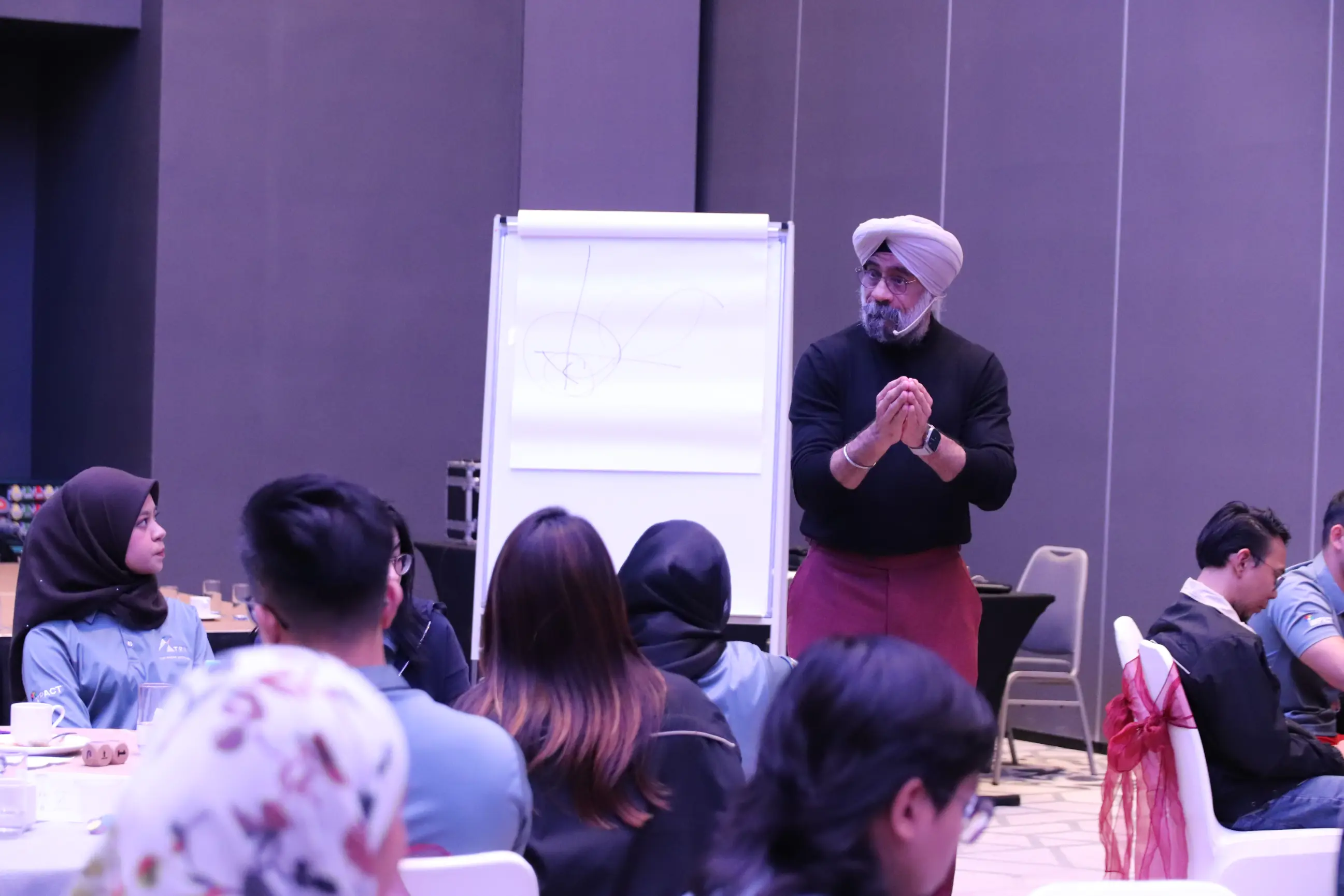
Corporate Team Building Malaysia
Learning Edge is a corporate team building company in Malaysia for teams that need to work differently, not just bond for a day. We diagnose what is not working, design structured activities and simulations around it, and leave the team with agreed ways of working.
Tell us about your team challengeA clear distinction
We do not run recreational bonding days. We run team effectiveness programmes for teams that need to work differently, not just feel closer for an afternoon.
A team day out
If your team gets along fine and just needs a nice day out, there are providers who do that well, and we are not trying to be one of them.
Learning Edge team effectiveness
We find out what is not working, design the programme around it, and leave the team with agreements that survive the first busy week back.
Where the same patterns show up across many teams rather than one, the problem is usually culture rather than team dynamics. Where it is individual capability, start with professional development instead.
Activities
Every activity is chosen for the working problem it brings to the surface, then debriefed until the team agrees what it will do differently. The activity is never the point. The conversation afterwards is: what just happened, where it mirrors how the team works on a normal Tuesday, and what the team commits to changing.
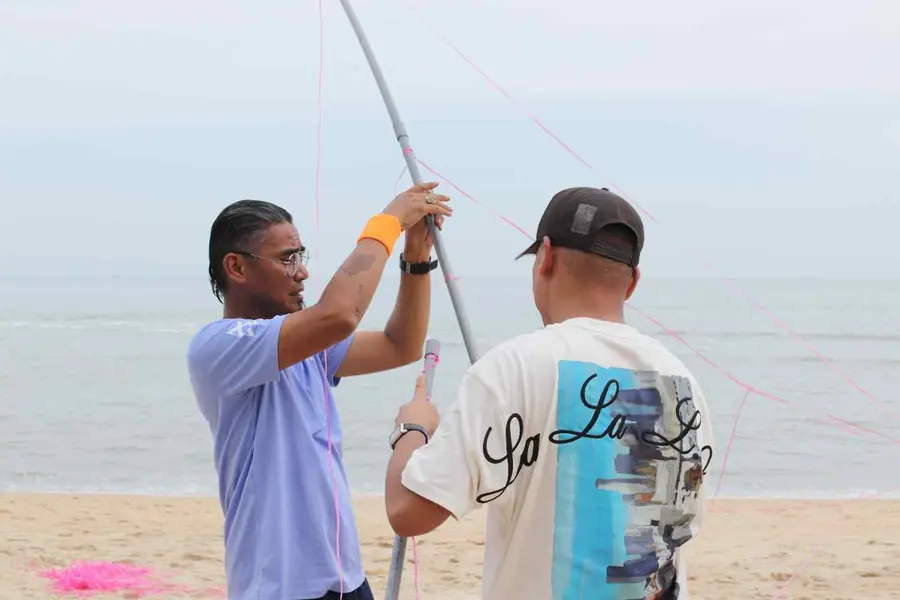
Highlight the need to contribute beyond individual roles while adapting to changes in real time. Examine how the team communicated and adjusted its strategy, then agree on ways to respond more proactively at work.
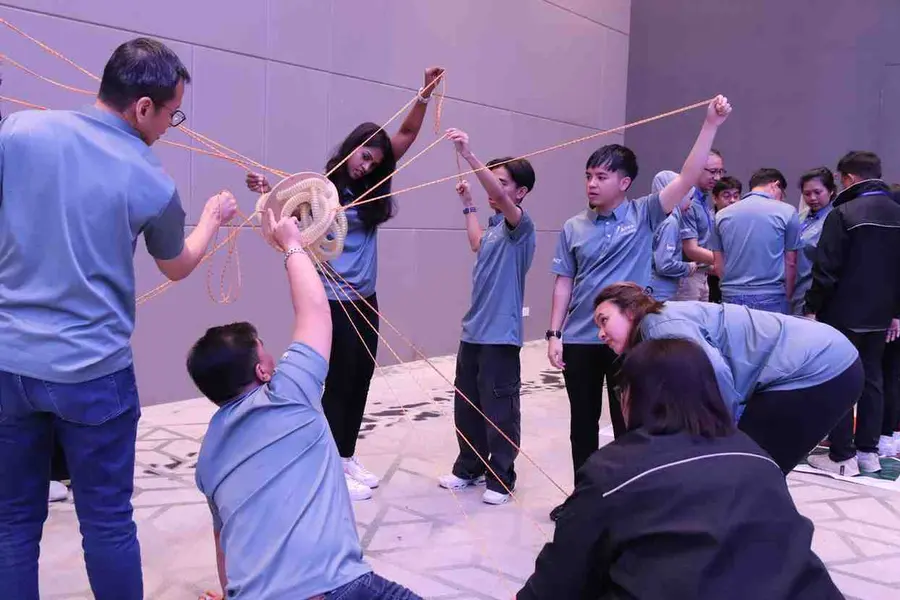
Expose how different perspectives and unclear communication can create confusion under uncertainty. Reflect on how the team adapted and agree on practices that help everyone stay aligned on a common goal.
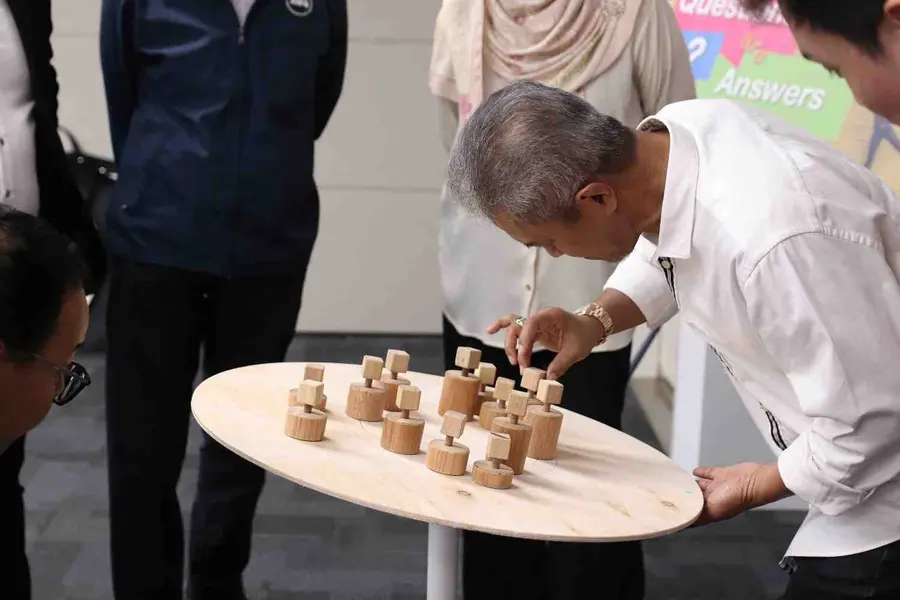
Demonstrate how everyone has a role in keeping the whole team balanced and effective. Reflect on how competing needs affect stability, then agree on ways to support one another and create an environment where people can contribute and stay.
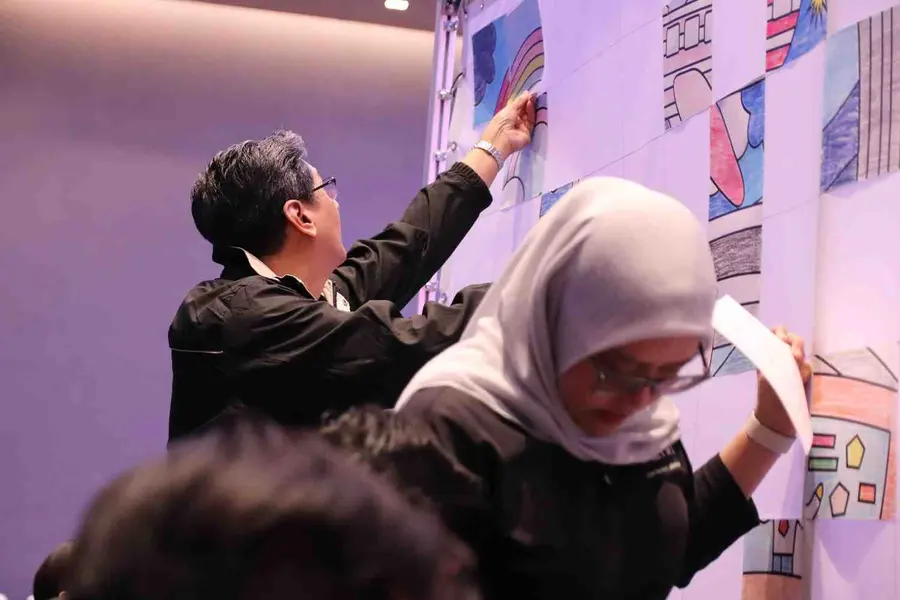
Connect individual creativity and effort to a collective outcome shaped by a shared vision. Discuss how trust, coordination and leadership alignment influenced the result, then agree on how to bring separate contributions together at work.
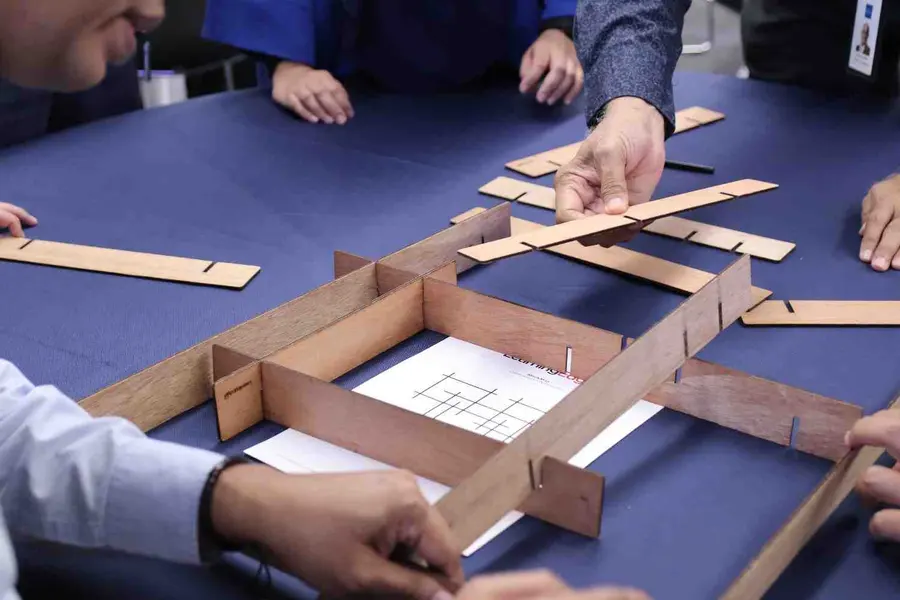
Show how small, deliberate improvements in process, focus and coordination can add up to stronger results. Identify where the team lost time or created rework, then commit to practical changes that can be sustained at work.
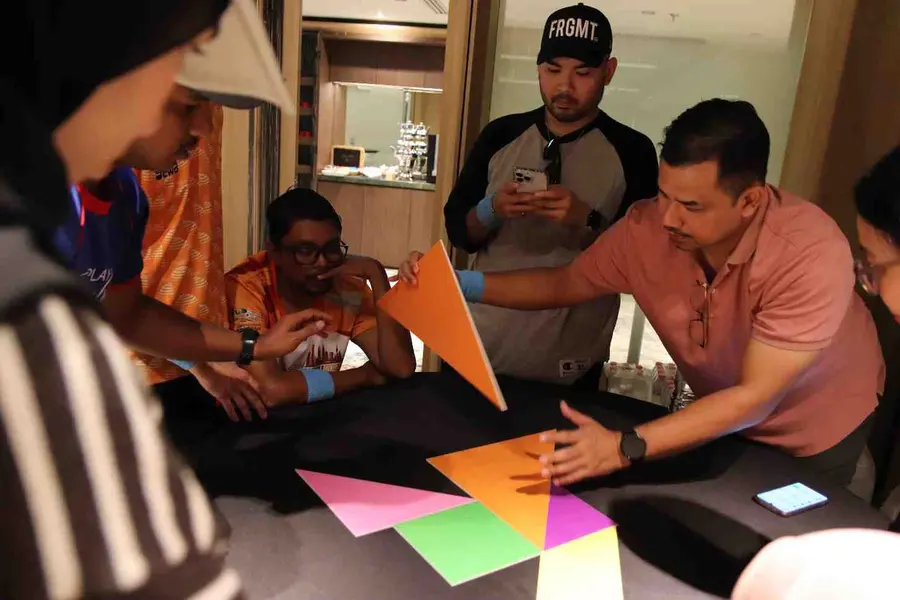
Bring out how people approach problems, interpret information and test possible solutions. Reflect on the assumptions and communication patterns that helped or hindered progress, then agree on a more effective approach to workplace challenges.
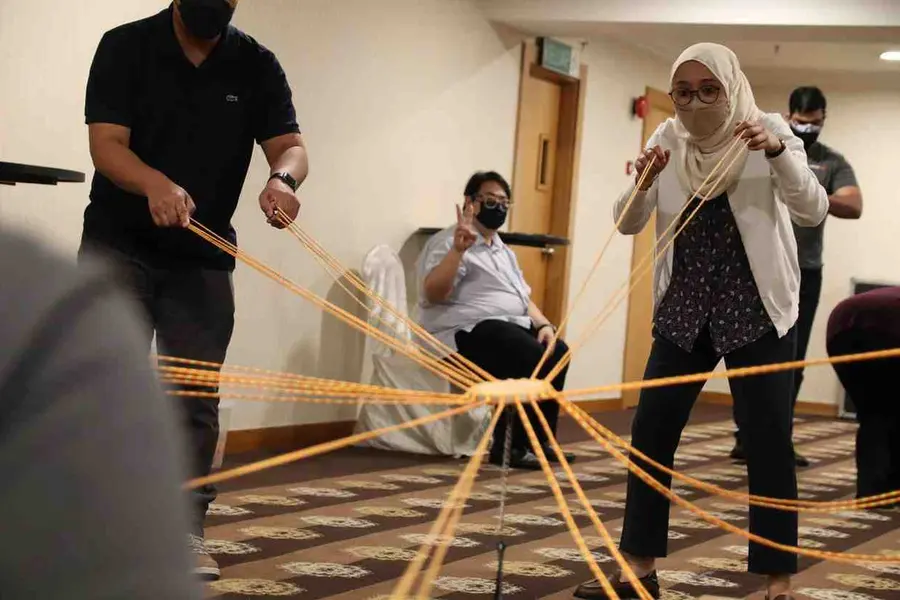
Explore how a strong foundation, careful planning and steady execution prevent avoidable setbacks. Debrief where the team rushes at work and agree on how to balance speed with quality.
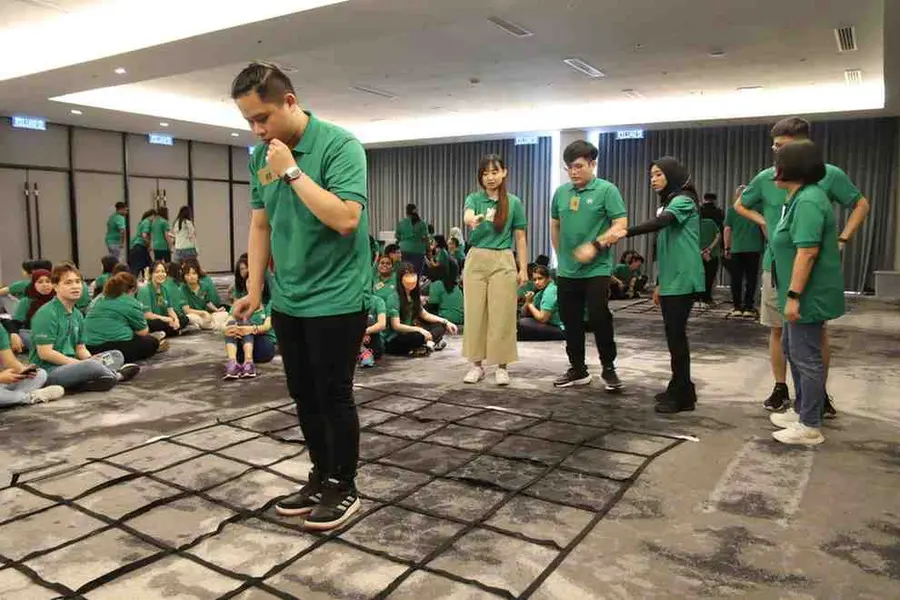
Surface how individuals respond to pressure, setbacks and changing demands. Reflect on decisions made during the challenge and agree on ways to strengthen resilience, focus and teamwork at work.
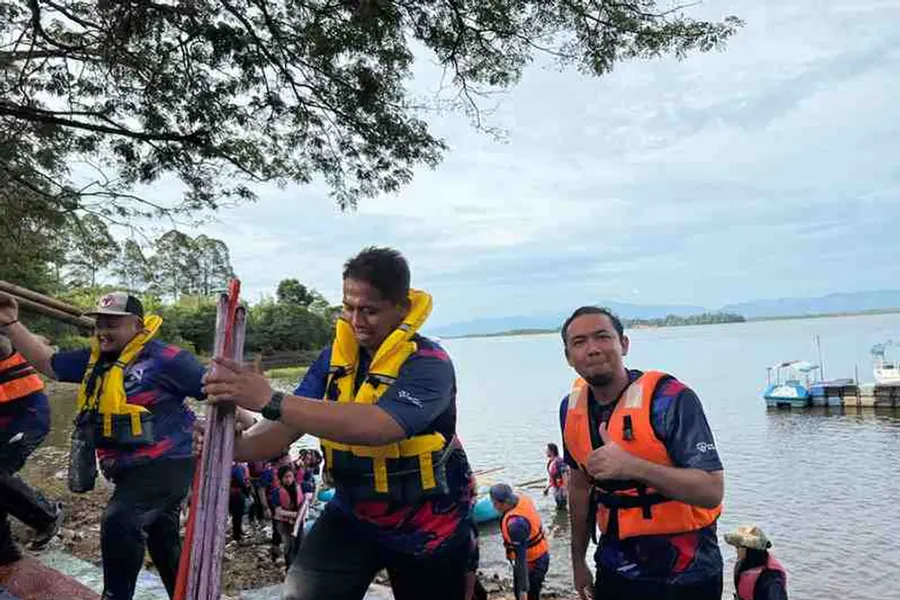
Challenge teams to innovate with the same limited resources and make their ideas work together. Discuss what enabled or blocked progress, then identify how to use existing resources more creatively at work.
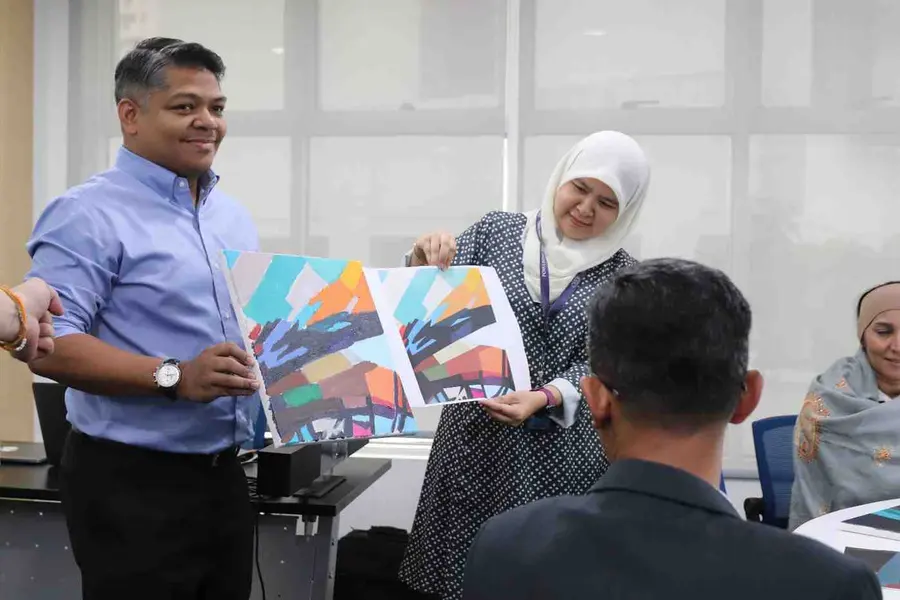
Show how individual objectives and contributions connect to a shared result. Reflect on where personal priorities compete with team goals and agree on how to align efforts more effectively.
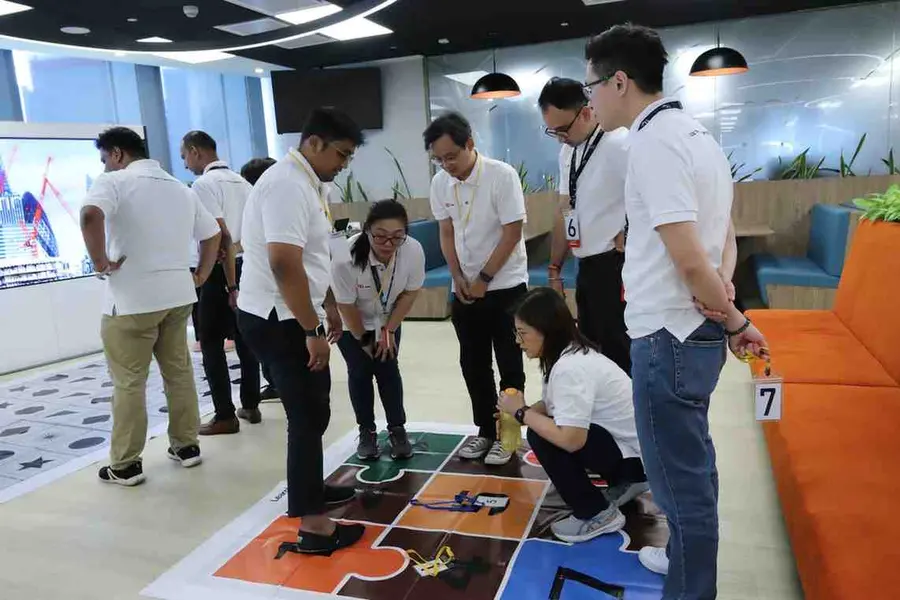
Reveal how assumptions, familiar routines and resistance to change affect team problem-solving. Question what happened during the challenge and identify workplace processes the team can improve together.
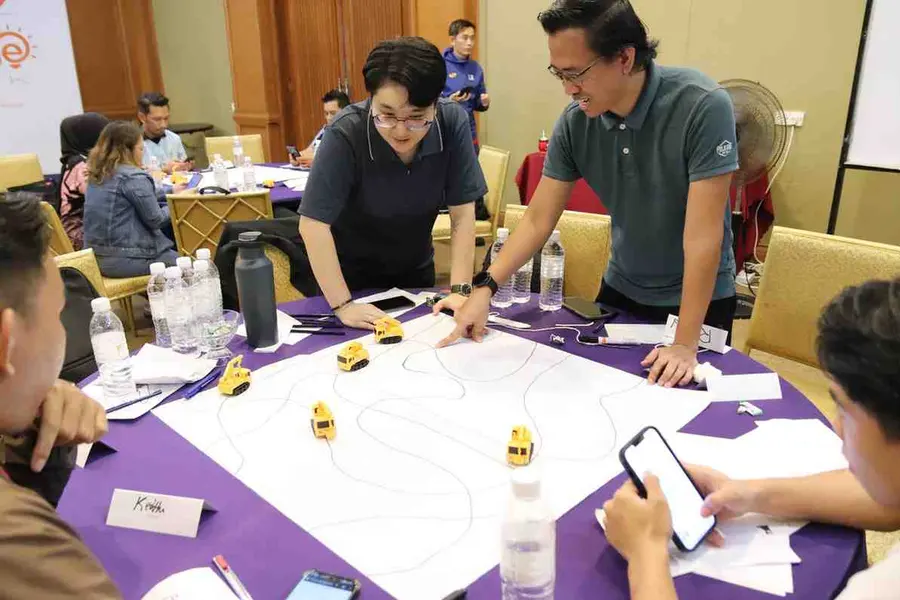
Make cross-departmental dependencies visible through a shared problem that no single group can solve alone. Debrief where handovers or siloed decisions create delays and agree on better ways to coordinate.
Best-fit situations
Teams learning to work together after a restructure, merger, or rapid hiring.
Friction affecting delivery, not just morale.
Handoffs fail because no one has agreed how work moves between functions.
High-performing individuals who have not become a high-performing team.
Designed for after
We identify what is actually broken before designing a single activity.
The experience produces concrete ways of working the team commits to afterwards.
Follow-through helps the agreements survive the first busy week back.
We check whether the team operates differently, not just whether they enjoyed the day.
Team effectiveness programme
A team building consultant starts from the problem the team has, not the activity the team will enjoy. Before anything is booked, we find out what is not working: trust, accountability, conflict that never gets resolved, or two functions that keep dropping work between them. The Team Assessment Survey can make those dynamics visible before the programme is designed.
That is the difference between a team building training provider and a team effectiveness programme. An activity provider sells a good day. A team effectiveness programme uses structured activities and simulations to surface the working problem, then helps the team agree how it will work differently, and checks afterwards whether it does. If your team needs a fun day out, an activity provider is the better choice. If it has a real working problem, that is what we are built for.
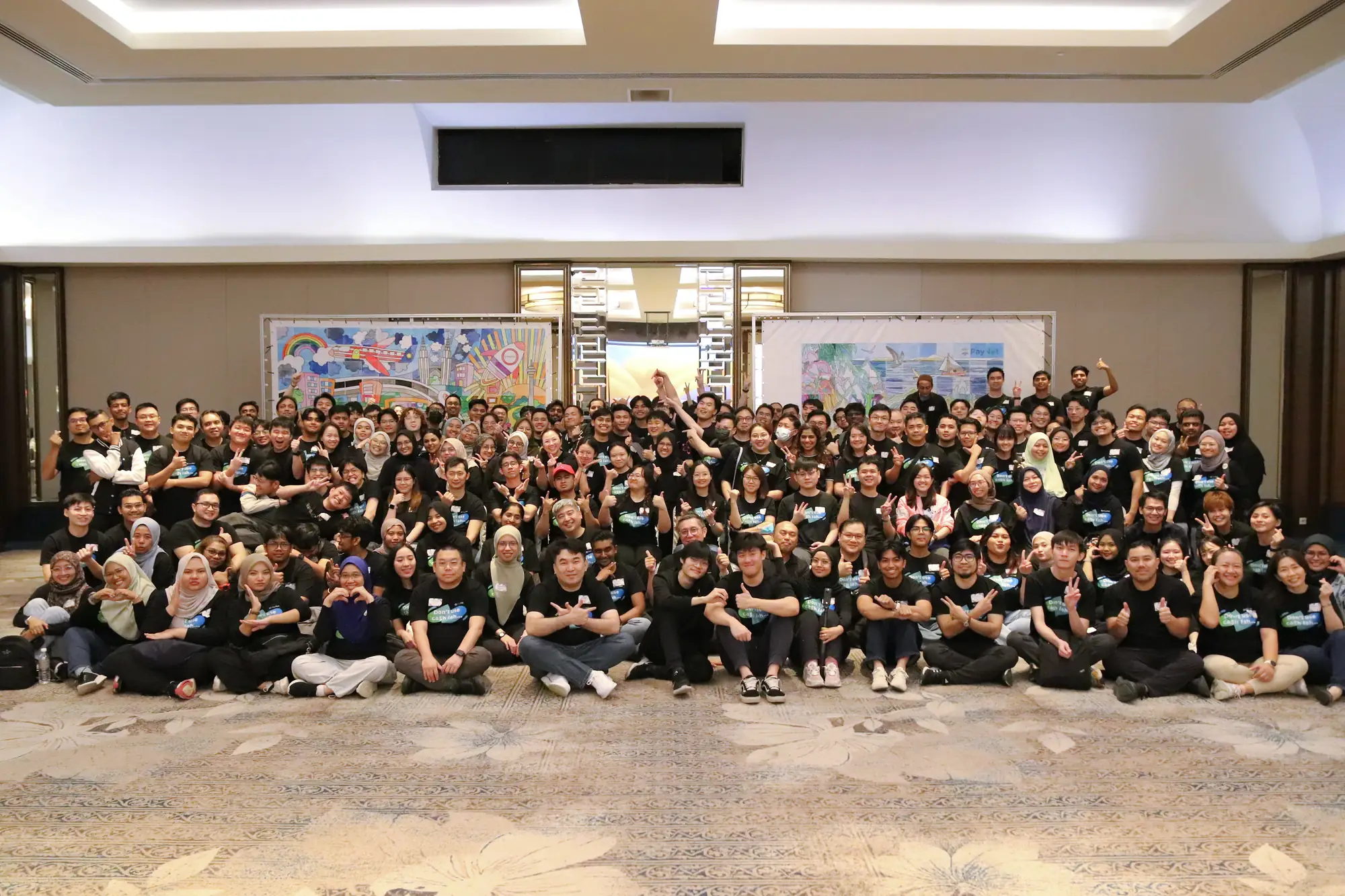
Failure patterns
A fun day is booked without diagnosing what the team needs to fix.
Everyone had a great time. Monday did not change.
Trust exercises do not fix accountability or communication failures.
The effect fades without reinforcement.
The best team programmes start with an honest look at what is not working.
Only sourced, client-approved evidence appears as completed proof.
Affin Bank
90% culture-belief understanding
High-energy experiential simulations and guided debriefs, reaching approximately 4,000 employees across 20 sessions, converting six culture beliefs into shared behaviour.
“The activities helped the values make sense. We were not just told what the values meant; we had to practise them, discuss them and see how they show up when teams are under pressure.”
Programme participant, Affin Bank
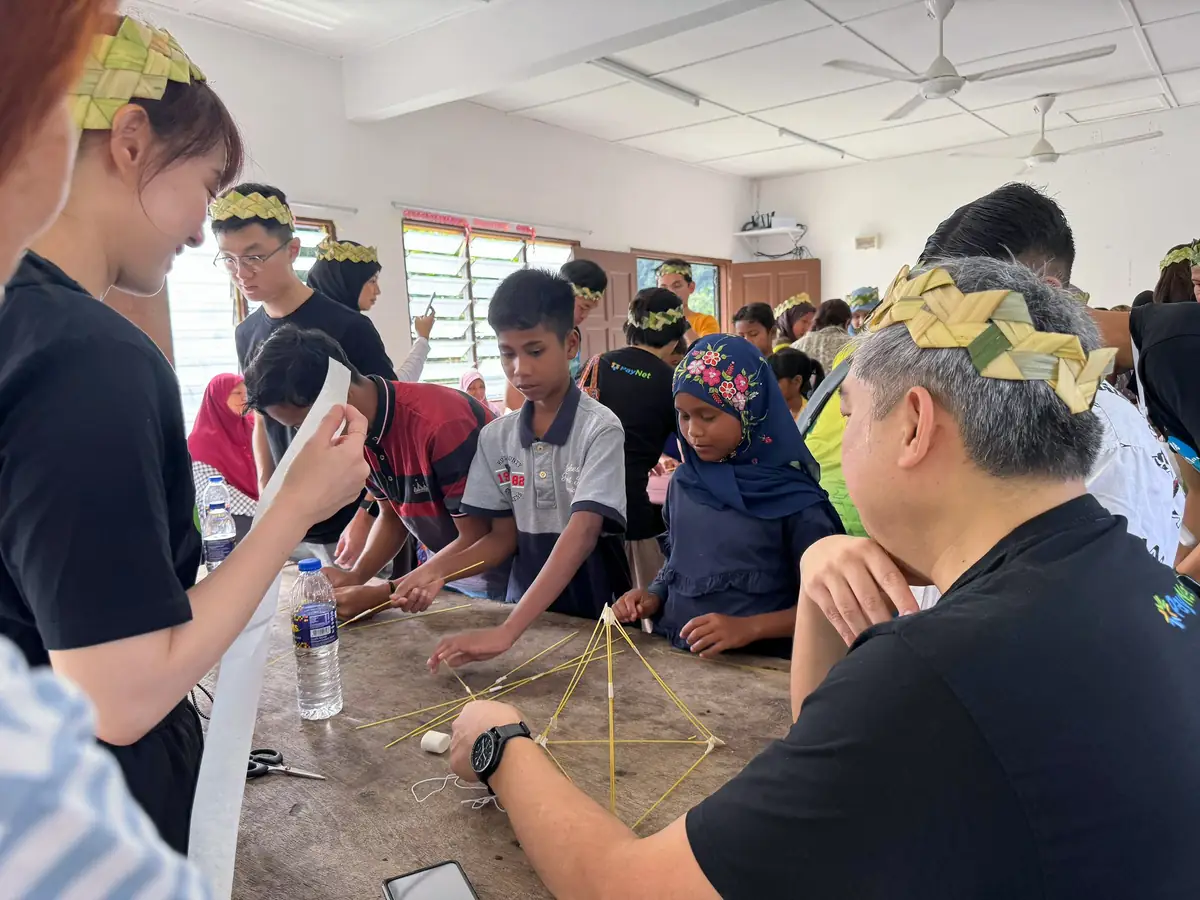
PayNet (Payments Network Malaysia)
~270 community beneficiaries reached
A community outreach day combining team activities with a guided donation handover, turning a donation drive into a shared human experience that also built collaboration and trust.
Read the full case study →“The experience reminded us that teamwork is not only about working together in the office. It is also about showing up together for people, listening well and creating impact beyond ourselves.”
Programme participant, PayNet
Questions, answered
A team outing produces a shared memory. Corporate team building, done properly, produces agreed ways of working the team commits to afterwards. The activities can look similar on the day; the difference is the diagnosis before and the working agreements after.
Yes. Our team programmes are claimable under HRD Corp, previously known as HRDF, as are all our programmes. HRD Corp pays only up to its prescribed rates, so the levy may cover part of the fee rather than all of it. What qualifies depends on how the programme is designed, which our article on team building claims explains in detail.
Ask four questions. Do they find out what is not working before they design anything? Is each activity connected to a real working problem? Does the day end with agreements the team commits to, or just a group photo? And how will they check, weeks later, whether anything changed?
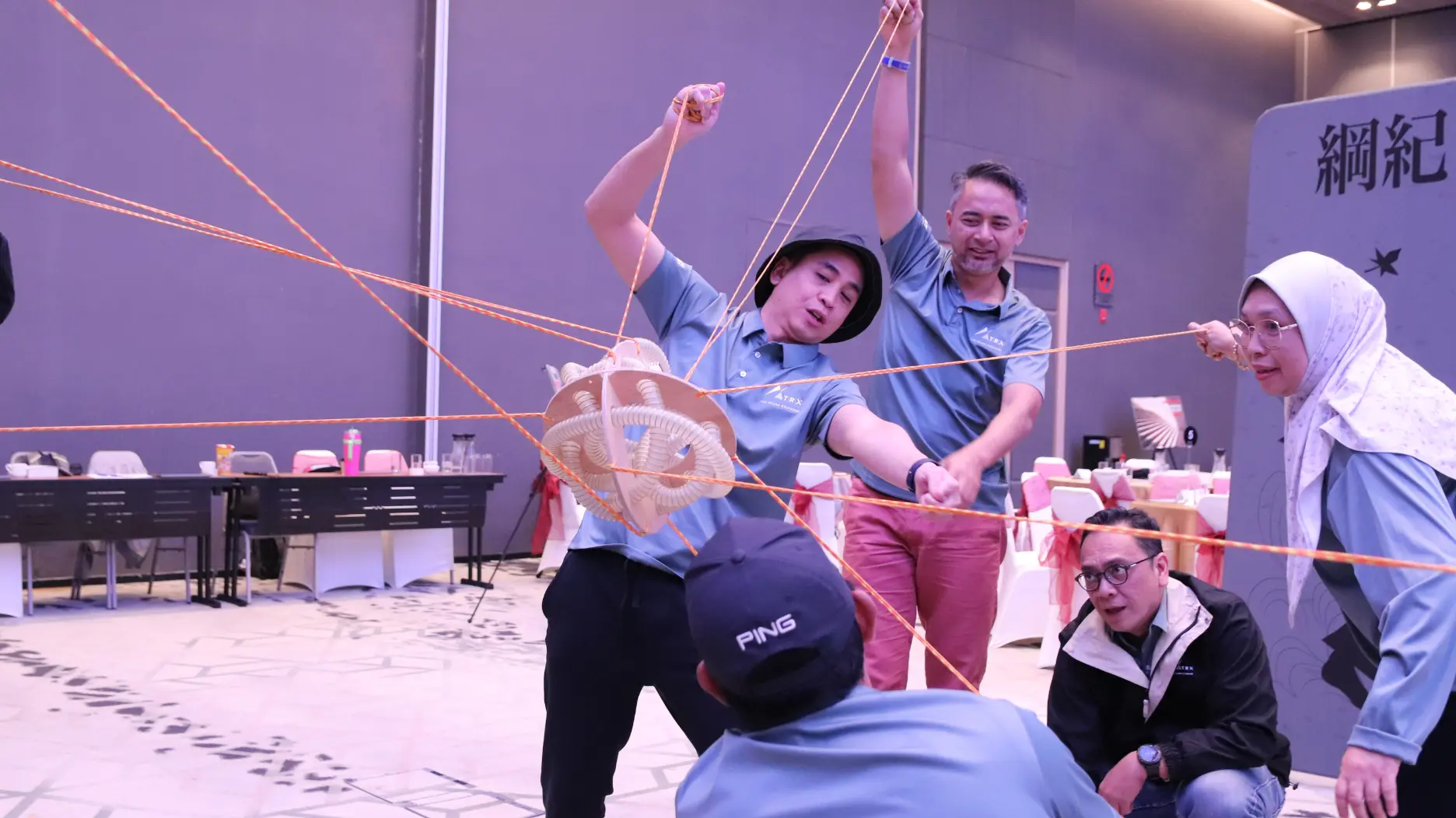
Both, but the activities serve a purpose. We use structured activities and simulations such as Human Puzzle, Tower of Power and Rafts Ahoy, then debrief them into working agreements. We do not run recreational bonding days on their own.
A team effectiveness programme is team building designed around a specific working problem, such as low trust, unclear accountability, or friction between functions. It diagnoses the problem first, uses structured activities and simulations to surface it, and ends with agreed ways of working the team then puts into practice.
If your team just needs a fun day out, we are not the right provider. This is for teams with a real working problem.
We diagnose the working gap before designing the programme, then check whether the team is actually operating differently afterwards.
That is specifically what this is designed for. If your team has a genuine performance problem, a breakdown in trust, unclear accountability, or silos between functions, that is where we come in, not a team that just wants a nice day out.
Not a sales pitch. A diagnostic conversation.
Tell us what is actually not working in how your team operates. We will tell you honestly whether a team effectiveness programme is the right response.
Tell us about your team challengeWe respond within one business day.