When to use it: Your managers know what good leadership looks like, but they do not do it under pressure.
Journeys for senior leaders, middle managers and emerging leaders, built around the behaviours your business would notice, with practice and reinforcement designed in and leadership behaviour measured before and after.
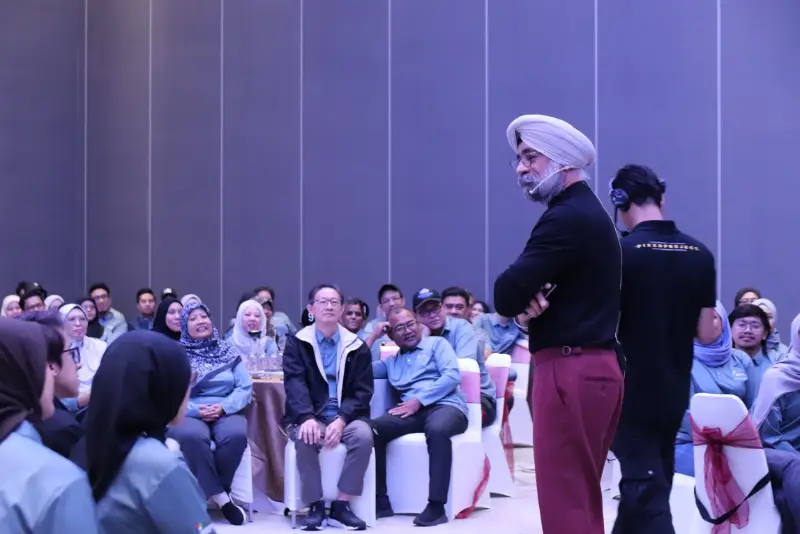
When to use it: The same behaviour keeps failing across every department, and the values on the wall have not changed it.
An eight-step sequence that runs over six to twelve months, from a measured pre-temperature check to values clarification, leadership alignment and a post-temperature check, so values turn into daily habits.
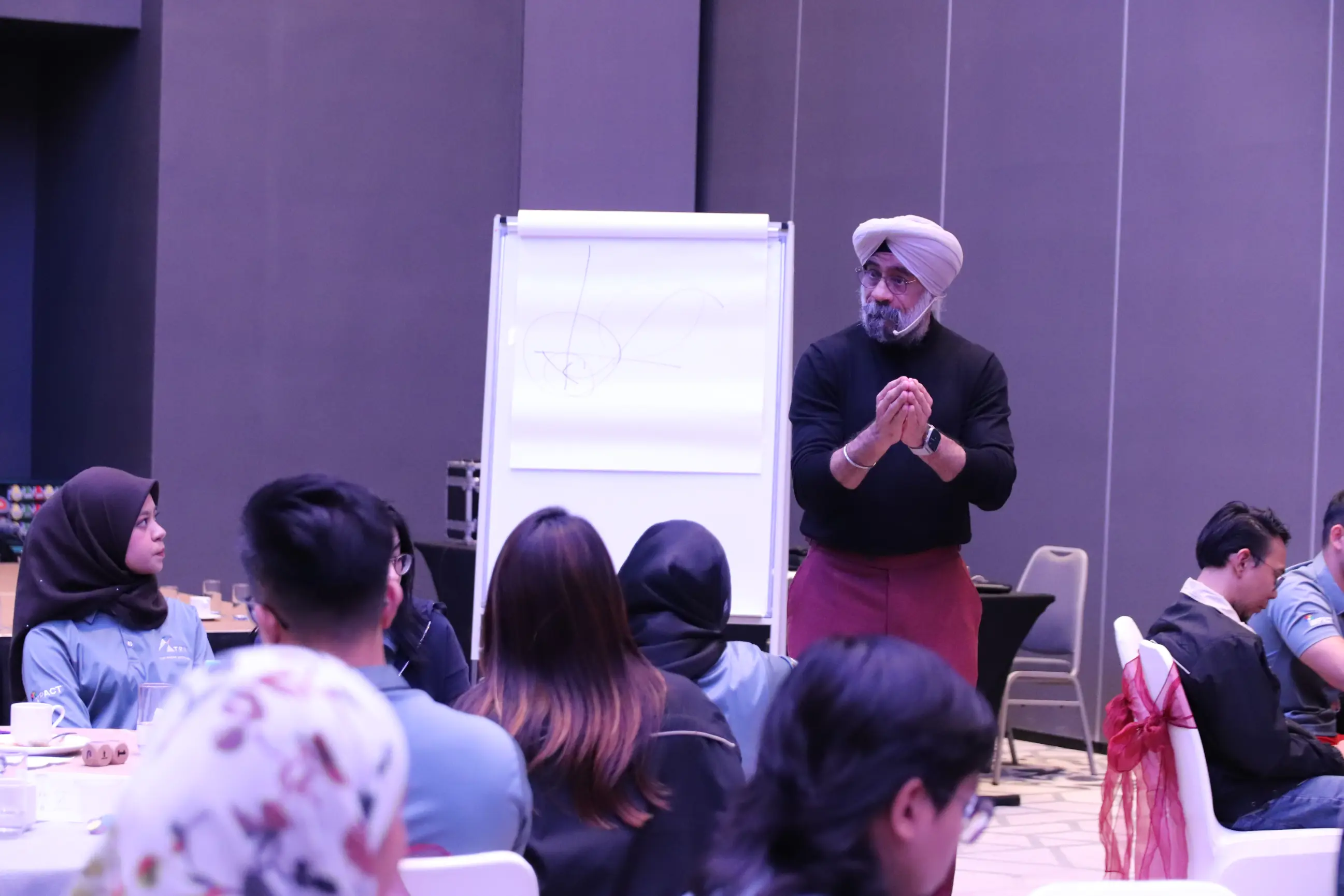
When to use it: One team has stopped working as a team.
Structured activities and simulations designed around what is not working in the team, ending with agreed ways of working rather than a good day out that changes nothing.
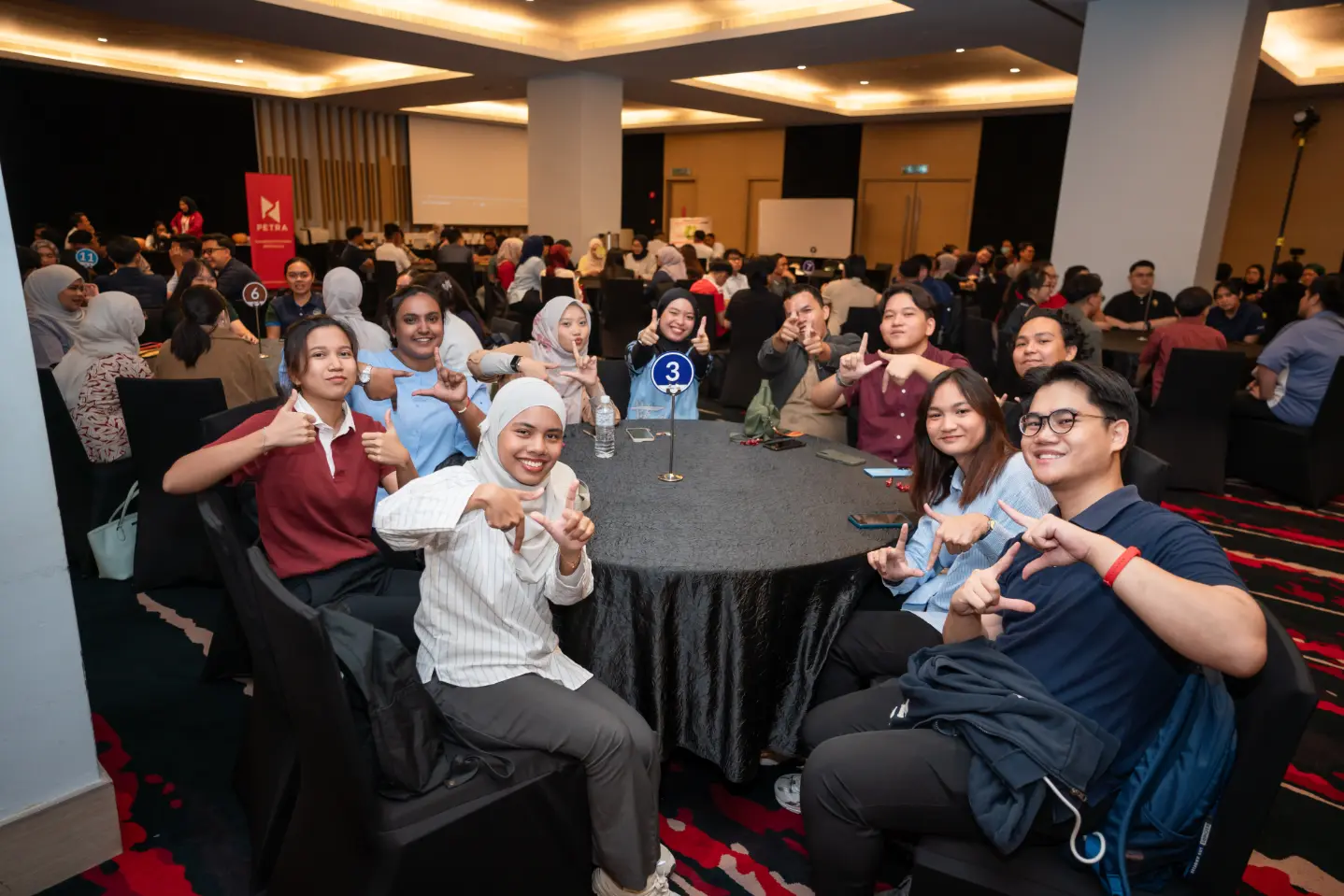
When to use it: People finish the course, then the skill does not show up in the next difficult conversation.
Skills programmes built around the moments your people actually face at work, delivered across 50+ industries, so the skill is used back at the desk and not just rated on the feedback form.
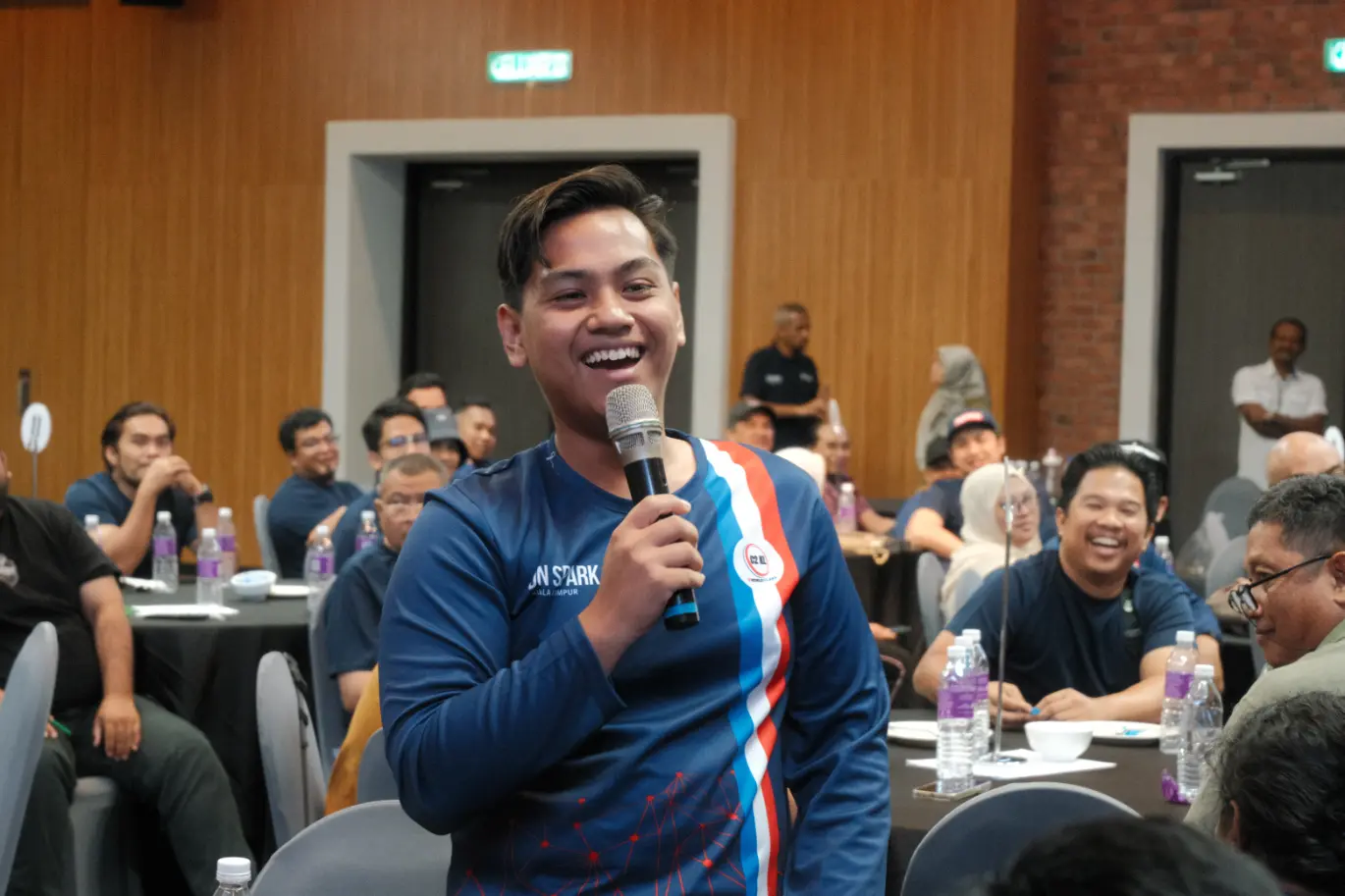
When to use it: Graduate hires arrive unready for their first real day of work.
Protege programmes designed around the behaviours graduates actually need at work, so a completed programme means a work-ready employee rather than a completed scheme.
When to use it: People use AI every day, and the work itself has not changed.
AI Fundamentals, plus generative and agentic AI programmes for HR, sales and marketing, and engineering, built on your team's real tasks and measured before and after.

When to use it: You are about to invest in development and do not yet know where the real gap is.
Leadership, team and psychometric assessments used as the starting point for development, not a report that sits in a drawer, so you measure before you invest and can show what moved afterwards.